 Save
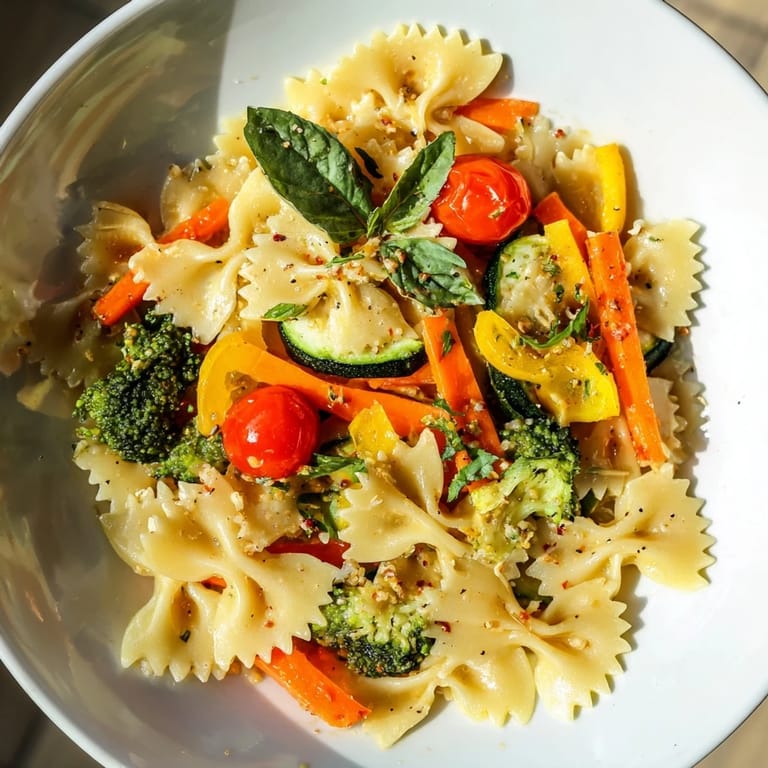
Save My neighbor knocked on the door one April afternoon with a colander full of vegetables from her garden, more than she could use. I stared at the pile of colors and textures, wondering what to do with asparagus, squash, and tiny tomatoes all at once. That evening, I boiled a box of farfalle and tossed everything together with olive oil, garlic, and a squeeze of lemon. It turned into this dish, which I now make every spring when the farmers market overflows.
I brought this to a potluck once, worried it was too simple compared to everyone elses casseroles and baked dishes. But it disappeared faster than anything else on the table. Someone asked for the recipe, and I realized I didnt really have one written down, just a loose rhythm of sauteing and tossing. That night I finally measured everything and wrote it out.
Ingredients
- Bow-tie pasta: The shape holds the vegetables in every forkful, and it cooks evenly without clumping together.
- Cherry tomatoes: Halving them releases their sweetness into the dish without making it watery.
- Asparagus: Cut them into short pieces so they soften quickly and stay tender, not stringy.
- Red bell pepper: Adds a subtle sweetness and a pop of color that makes the whole dish feel brighter.
- Yellow squash: Slice them thin so they cook fast and stay silky, not mushy.
- Broccoli florets: They hold up to the heat and add a slight bite that balances the softer vegetables.
- Carrots: Julienned carrots cook faster and blend in without overpowering the lighter flavors.
- Red onion: A little sharpness that mellows as it cooks, adding depth without being too forward.
- Frozen peas: They thaw instantly in the hot pan and bring a touch of sweetness at the end.
- Extra-virgin olive oil: Use a good one, it coats everything and carries the garlic and lemon through each bite.
- Garlic: Fresh cloves, minced fine, bloom in the oil and become the backbone of the sauce.
- Crushed red pepper flakes: Optional, but a pinch adds warmth without making it spicy.
- Sea salt and black pepper: Season in layers, tasting as you go, so nothing ends up bland.
- Lemon zest and juice: The zest gives you fragrance, the juice gives you brightness, together they wake up the whole dish.
- Parmesan cheese: A handful stirred in at the end adds richness, but you can skip it if you want to keep it light.
- Fresh basil and parsley: Chopped at the last minute, they bring color and an herbal freshness that tastes like spring.
Tired of Takeout? 🥡
Get 10 meals you can make faster than delivery arrives. Seriously.
One email. No spam. Unsubscribe anytime.
Instructions
- Boil the pasta:
- Bring a large pot of salted water to a rolling boil and cook the bow-tie pasta until al dente, following the package timing. Before draining, scoop out half a cup of the starchy pasta water and set it aside.
- Start the vegetables:
- Heat two tablespoons of olive oil in a large skillet over medium heat, then add the minced garlic and red pepper flakes, stirring for about a minute until the kitchen smells warm and fragrant. Toss in the carrots, broccoli, and asparagus, and let them cook for three to four minutes, stirring occasionally until they start to soften but still have some snap.
- Add the softer vegetables:
- Stir in the red onion, bell pepper, and yellow squash along with a pinch of salt, and cook for another three to four minutes until everything is tender but still bright. The colors should look vivid, not faded.
- Finish with tomatoes and peas:
- Add the cherry tomatoes and frozen peas, cooking for just two minutes until the tomatoes begin to release their juice and the peas are warmed through. Do not overcook or the tomatoes will collapse.
- Toss with pasta:
- Add the drained pasta to the skillet along with the remaining tablespoon of olive oil, lemon zest, and lemon juice, tossing everything together. If it feels dry, add a splash of the reserved pasta water to create a light, silky coating.
- Season and garnish:
- Taste and adjust with more salt and black pepper, then remove from heat and toss with Parmesan, fresh basil, and parsley. Serve immediately while everything is hot and bright.
 Save
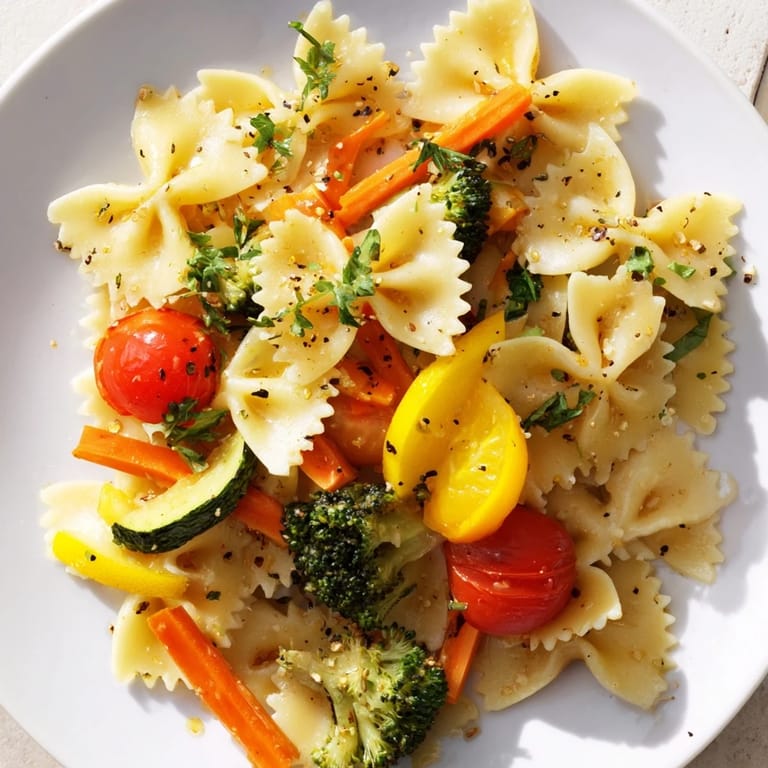
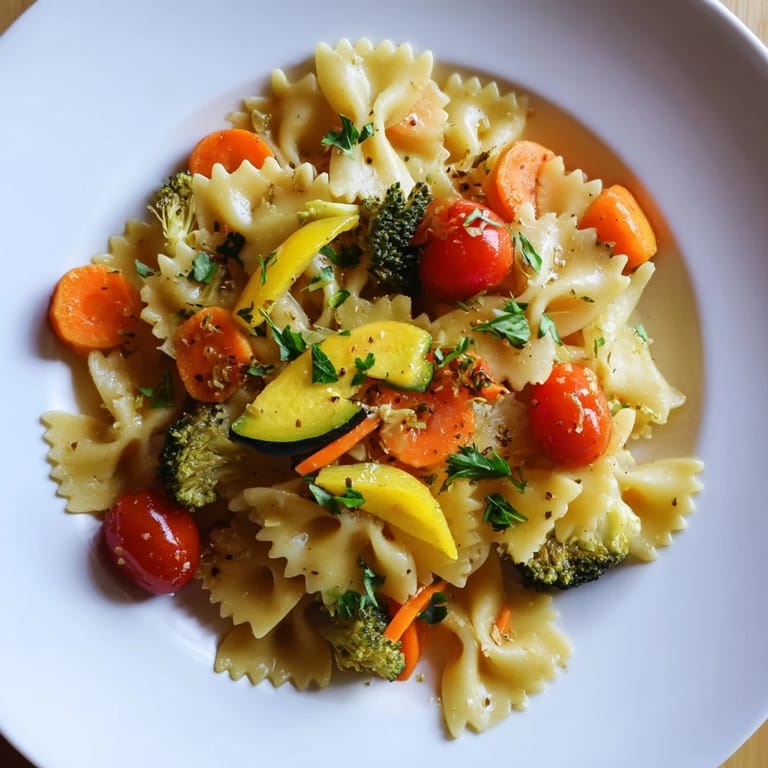
Save One evening, my daughter set the table without being asked and said the pasta looked like a rainbow. She picked out every piece of broccoli and left them on the side of her plate, but she ate everything else and asked if we could make it again. I realized then that this dish had become one of our regular dinners, something we turned to when we wanted color and freshness without much fuss.
How to Pick Your Vegetables
Use whatever is in season or on sale, but aim for a mix of textures and colors so every bite feels different. I like one crunchy vegetable like carrots or broccoli, one soft one like squash, one sweet one like tomatoes or peas, and something with a little bite like onion or bell pepper. If you buy too much, you can always toss the extras in at the end.
Making It Ahead
This dish is best eaten right away, but you can prep the vegetables a few hours ahead and keep them covered in the fridge. Cook the pasta and toss everything together just before serving so the colors stay bright and the pasta does not soak up all the oil. Leftovers keep for a day, but the vegetables will soften and the lemon flavor will fade a bit.
What to Serve It With
I usually serve this on its own with a hunk of crusty bread to soak up any leftover oil and lemon at the bottom of the bowl. A simple green salad with vinaigrette or a few marinated olives on the side keeps it light.
- Pour a crisp white wine like Sauvignon Blanc or Pinot Grigio if you want something that matches the brightness.
- Add grilled chicken, shrimp, or white beans if you need more protein to make it a complete meal.
- Sprinkle extra Parmesan and herbs on top right before serving so they stay fresh and visible.
 Save
Save This is the kind of recipe you can make without thinking too hard, adjusting as you go based on what you have and what looks good. It always turns out a little different, but it always feels like spring.
Cooking Questions
- → Can I prepare this dish ahead of time?
This dish is best served immediately after preparation to preserve the vibrant color and tender-crisp texture of the vegetables. However, you can prep all ingredients in advance and cook the pasta and vegetables fresh when ready to serve. Store cooked leftovers in an airtight container for up to 2 days and reheat gently with a splash of water or olive oil.
- → What vegetables work best for this dish?
Choose a mix of colorful vegetables that cook in similar timeframes. Ideal options include asparagus, broccoli, bell peppers, zucchini, yellow squash, snap peas, carrots, and cherry tomatoes. Avoid watery vegetables like cucumber. Cut all pieces to roughly 1-inch size for even cooking and elegant presentation.
- → How do I prevent mushy vegetables?
Cook vegetables in stages, starting with harder varieties like carrots and broccoli (3-4 minutes), then adding softer vegetables like peppers and squash (another 3-4 minutes), and finishing with delicate items like tomatoes and peas (2 minutes). This staggered approach ensures each vegetable reaches optimal tenderness while maintaining its vibrant color.
- → Is this suitable for dietary restrictions?
Yes. The base dish is naturally vegetarian and vegan-friendly. For gluten-free, use certified gluten-free pasta. Omit or substitute Parmesan cheese for dairy-free versions. The versatile nature of this dish allows easy customization to accommodate various dietary needs while maintaining delicious flavor.
- → Can I add protein to this dish?
Absolutely. Grilled chicken, shrimp, white beans, or crispy tofu are excellent protein additions. Cook protein separately and toss with the pasta and vegetables just before serving. Add approximately 4-6 ounces of protein per serving to boost nutritional content without overwhelming the delicate vegetable flavors.
- → What wine pairs well with this dish?
A crisp, light white wine complements the fresh vegetables and bright lemon notes beautifully. Sauvignon Blanc and Pinot Grigio are ideal choices. These wines' acidity and mineral notes enhance the dish's natural flavors and create a balanced, refreshing meal experience.