 Save
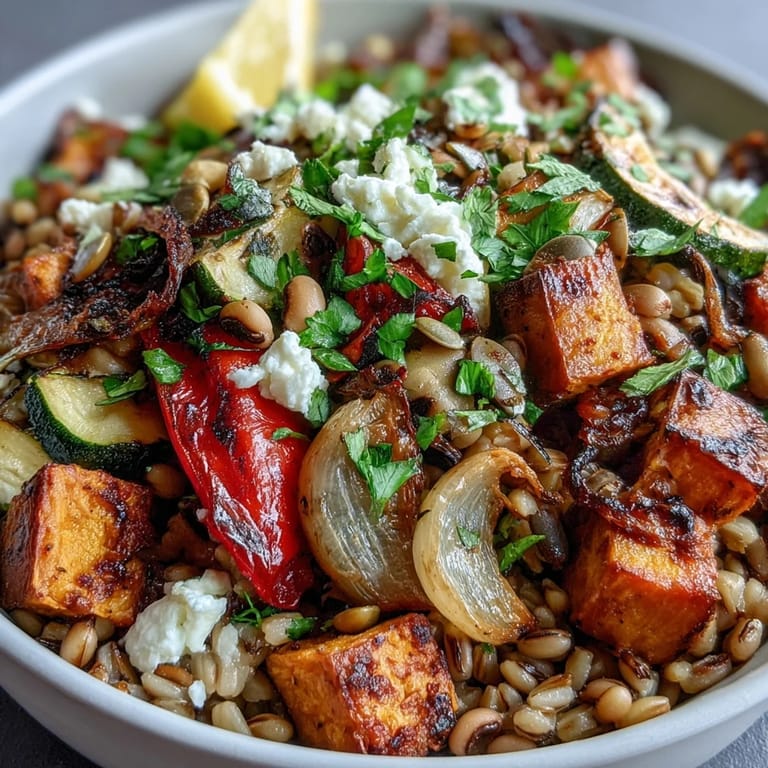
Save There's something quietly satisfying about building a bowl from the ground up, watching humble ingredients transform into something that feels both comforting and elegant. I discovered this black-eyed pea grain bowl on a Tuesday when my fridge was telling me stories—a half-used container of farro, some roasted vegetables I'd made too much of, and a can of black-eyed peas I'd been meaning to use. What started as a practical exercise in not wasting food became my go-to lunch for weeks, maybe because it tasted like resourcefulness mixed with real nourishment.
I made this for my friend Marcus who'd been talking about eating better, and watching him take that first bite—then go back for seconds without even thinking about it—taught me something about how the right combination of flavors can feel indulgent even when it's genuinely good for you. He asked for the recipe that same evening, and now whenever I see him, he mentions how often he makes it.
Ingredients
- Farro or wild rice, 1 cup uncooked: Farro has a wonderful chewy texture and nutty flavor that holds its own against bold spices, though wild rice works beautifully too if you prefer something slightly earthier and don't mind the longer cooking time.
- Water or vegetable broth, 2 cups: Broth adds a subtle flavor boost that plain water can't match, but water works perfectly fine if that's what you have on hand.
- Salt, 1/2 teaspoon: This seasons the grains as they cook, which is far better than seasoning them after.
- Black-eyed peas, 1 1/2 cups cooked (or one 15-ounce can): If you're using canned, rinsing them removes excess sodium and any tinny flavor, making a real difference in the final taste.
- Sweet potato, 1 medium, peeled and cubed: The sweetness balances the earthiness of everything else, and cubing them ensures they caramelize evenly in the oven.
- Red bell pepper, 1, diced: This brings brightness and a slight sweetness that rounds out the bowl's flavor profile.
- Zucchini, 1, sliced: It becomes almost creamy when roasted properly, soaking up the spices around it.
- Red onion, 1, cut into wedges: Roasting mellows the onion's sharpness into something almost candy-like, which sounds odd but tastes wonderful.
- Olive oil, 2 tablespoons: This is what makes the vegetables actually caramelize rather than just soften, so don't skip it.
- Smoked paprika, 1/2 teaspoon: This adds a whisper of smoke and depth that makes people wonder what your secret ingredient is.
- Ground cumin, 1/2 teaspoon: Cumin ties the whole bowl together with warmth and a subtle earthiness that feels almost invisible but absolutely necessary.
- Salt and pepper, to taste: Taste as you go—vegetables release their own moisture and seasonings concentrate during roasting.
- Fresh parsley or cilantro, 1/4 cup chopped: The fresh herbs are what separate a good bowl from one that tastes alive, so don't treat this as optional.
- Feta cheese, 1/4 cup crumbled (optional, omit for vegan): If you use it, the tangy creaminess adds a layer that makes the whole thing feel more complete, though it's genuinely unnecessary for a vegan version.
- Toasted pumpkin seeds or sunflower seeds, 1/4 cup: Toast them yourself if you can—the difference between raw and toasted seeds is the difference between a good bowl and one you'll think about later.
- Lemon wedges, for serving: A squeeze of fresh lemon right before eating brightens everything and makes the flavors pop.
Tired of Takeout? 🥡
Get 10 meals you can make faster than delivery arrives. Seriously.
One email. No spam. Unsubscribe anytime.
Instructions
- Heat your oven and start the grains:
- Set your oven to 425°F (220°C), then combine the farro or wild rice with water or broth and salt in a medium saucepan. Bring it to a boil—you'll hear it before you see it—then lower the heat and cover it, letting it simmer gently for about 25 to 30 minutes for farro or 40 to 45 for wild rice, depending on what you chose. The grains are done when they're tender but still have a slight chew to them, not mushy.
- Prepare and season your vegetables:
- While the grains are cooking, cut your sweet potato into rough 3/4-inch cubes, dice the bell pepper, slice the zucchini into half-moons, and cut the red onion into thick wedges. Toss everything into a bowl with the olive oil, smoked paprika, cumin, and a pinch of salt and pepper, making sure each piece gets lightly coated with oil and spices.
- Roast the vegetables until they caramelize:
- Spread the vegetables in a single layer on a baking sheet—don't crowd them or they'll steam instead of roast. Put them in the oven for 20 to 25 minutes, stirring them halfway through so they brown evenly on all sides, until the edges are caramelized and the sweet potato is fork-tender.
- Warm your black-eyed peas:
- If your black-eyed peas have been sitting in the fridge or you're using canned, heat them gently in a small saucepan or microwave until they're warm through. Don't skip this step—cold beans in a warm bowl makes the whole thing feel unfinished.
- Build your bowls:
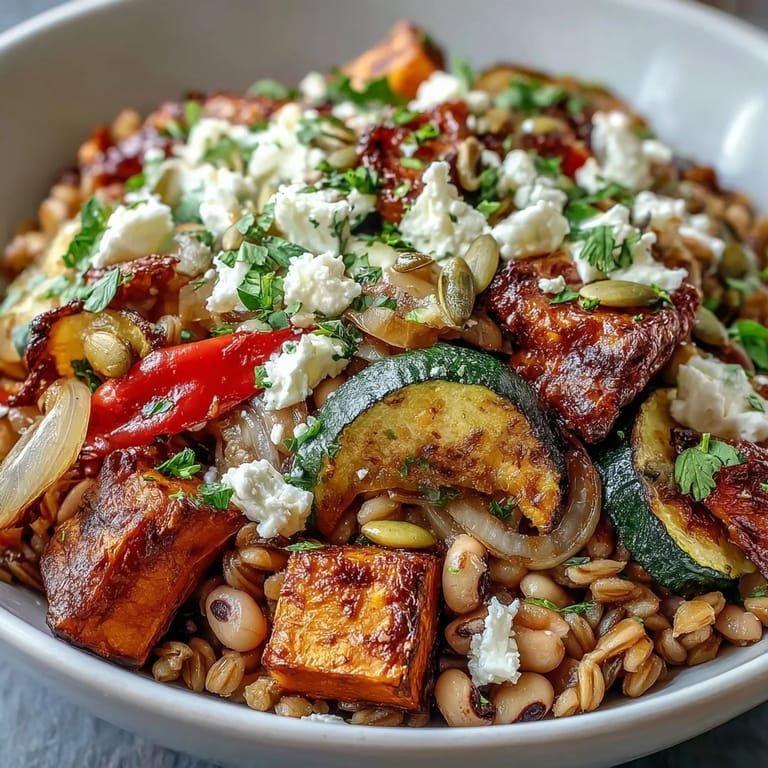
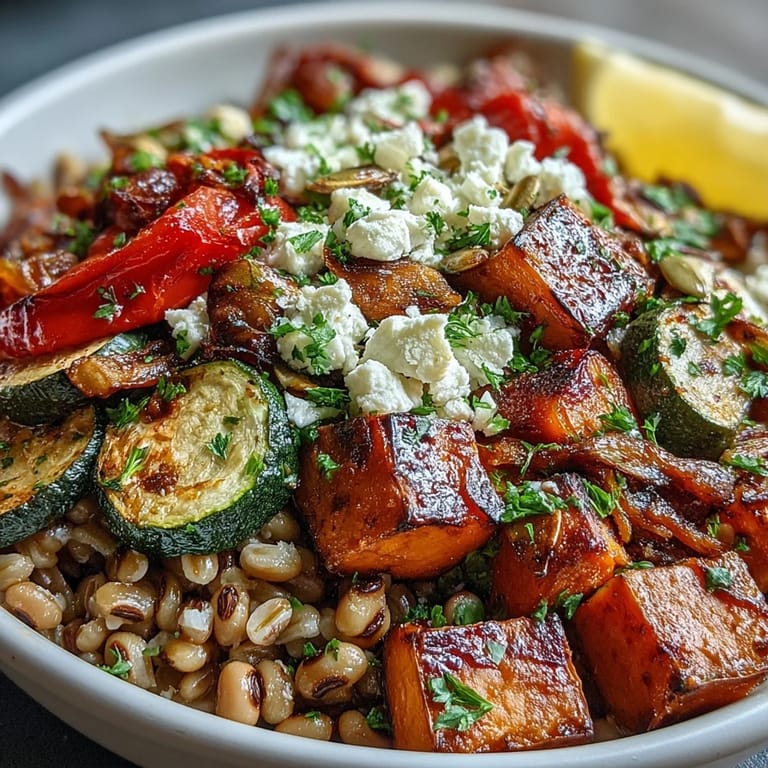
- Divide the cooked grains among four bowls, creating a base that's generous enough to hold everything without falling apart. Top each portion with the warm black-eyed peas and then the roasted vegetables, arranging them so the bowl looks intentional rather than haphazard.
- Finish with herbs, cheese, and seeds:
- Scatter the fresh parsley or cilantro across the top, add the crumbled feta if you're using it, and sprinkle the toasted seeds over everything. Serve immediately with lemon wedges on the side so people can squeeze them over just before eating.
 Save
Save The first time I brought this to a potluck, I watched someone who claimed to be "not really a vegetable person" go back for seconds and actually ask about the recipe with genuine interest. That moment reminded me that the right combination of flavors and textures can change someone's mind about what they think they like to eat.
Why This Works as a Complete Meal
The beauty of this bowl is how it respects the nutritional intelligence of your body—the grains provide sustained energy, the black-eyed peas deliver protein and fiber without any heaviness, and the roasted vegetables contribute vitamins and that satisfying caramelized sweetness. There's no single ingredient doing all the work, which means nothing feels like you're eating it because you should, but because it genuinely tastes good. The bowl comes together in about 50 minutes, with most of that time being hands-off cooking rather than active prep.
Building Your Own Variations
Once you understand the formula—grain base, legume protein, roasted vegetables, fresh herbs, toasted seeds, acid for brightness—you can swap almost everything and still have something delicious. I've made this with quinoa instead of farro, chickpeas instead of black-eyed peas, completely different vegetables depending on the season, and it never once felt like I was making the same thing twice. The structure is flexible enough to meet you where you are, which is why I keep coming back to it.
Flavor Layers That Make It Special
The smoked paprika and cumin are doing more work than you might expect—they're creating a warmth and depth that makes people pause and try to figure out what they're tasting. Adding the lemon juice at the very end is crucial because it wakes up all those flavors that can otherwise feel a bit muted. Fresh herbs aren't a garnish here, they're essential, bringing a brightness that prevents the bowl from feeling heavy or one-note.
- Toast your seeds in a dry pan on the stove for 3 to 4 minutes, shaking frequently, until they're fragrant and just beginning to darken.
- Make a simple tahini-lemon dressing by whisking 3 tablespoons tahini with 2 tablespoons lemon juice, 1 clove minced garlic, and water until it reaches drizzling consistency.
- Prep your vegetables the night before and store them in separate containers so assembly the next day takes just minutes.
 Save
Save This bowl has become my answer to so many kitchen questions—what to make when you're tired, what to bring when someone's going through something, what to eat when you want to feel like you're taking care of yourself. It's honest food that doesn't pretend to be more complicated than it is.
Cooking Questions
- → Can I use canned black-eyed peas?
Yes, canned black-eyed peas work perfectly. Simply drain and rinse them before using. One 15-ounce can equals about 1½ cups of cooked peas.
- → What grains work best in this bowl?
Farro provides a chewy, nutty texture, while wild rice offers earthy flavor. Brown rice, quinoa, or barley are excellent substitutes depending on what you have available.
- → How long do roasted vegetables keep?
Roasted vegetables stay fresh for 3-4 days when stored in an airtight container in the refrigerator. Reheat gently in the microwave or oven before assembling bowls.
- → Is this dish freezer-friendly?
The grains and roasted vegetables freeze well for up to 3 months. Store fresh herbs, toppings, and dressing separately, then add them after reheating for best texture and flavor.
- → How can I add more protein?
Consider adding chickpeas, roasted tofu, or grilled chicken. A poached egg, avocado slices, or extra toasted nuts and seeds also boost protein content naturally.
- → What dressing pairs well?
Tahini-lemon dressing complements the earthy flavors beautifully. Herbed vinaigrette, avocado-cilantro sauce, or simple olive oil and lemon juice all work wonderfully.