 Save
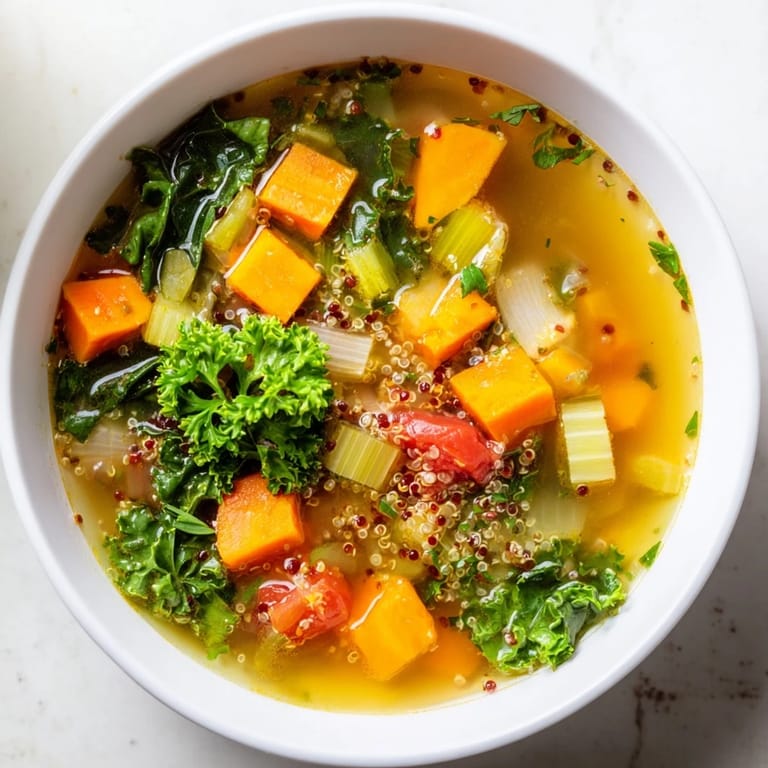
Save My neighbor brought over a bowl of this soup on a particularly gray afternoon, and I remember standing in my kitchen stirring it, watching the colors deepen as the quinoa absorbed the broth. There's something about winter vegetables simmering together that fills a room with warmth before you even taste it. I've since made it dozens of times, adjusting vegetables based on what I find at the market, but that first spoonful still brings back that quiet, grateful moment.
I made this for my sister when she was going through a rough patch, and she sat at my kitchen counter while it simmered, telling me stories and gradually relaxing as the smell of thyme and oregano filled the space between us. Cooking this soup became our ritual that winter—it wasn't fancy, but it was exactly what we both needed.
Ingredients
- Olive oil: A tablespoon is enough to start your aromatics without making the broth greasy; good quality makes a subtle but real difference.
- Onion and garlic: These are your flavor foundation, so don't rush the sautéing—let them turn golden and fragrant.
- Carrots, celery, and parsnip: The classic vegetable trio creates depth, and the parsnip adds a gentle sweetness that balances earthier greens.
- Sweet potato: Brings natural sweetness and creaminess without any added dairy; it almost melts into the broth by the end.
- Kale or Swiss chard: Hardy greens that hold their shape and nutrition through simmering, unlike spinach which can turn mushy.
- Cabbage: Adds subtle sweetness and helps bulk up the soup without diluting flavor.
- Tomatoes: Canned work beautifully here and add acidity that brightens everything; fresh tomatoes are lovely in season but not necessary.
- Quinoa: Rinsed before cooking, it provides complete protein and a gentle texture that works perfectly in broth.
- Vegetable broth: Choose low-sodium so you can control the salt and taste the vegetables themselves.
- Thyme and oregano: Dried herbs work reliably here; fresh would be lovely but these dried versions have been perfected by time in the soup pot.
- Bay leaf: Remove it after cooking—it flavors gently but can taste bitter if left in.
- Lemon juice: Optional but transformative; it wakes up all the flavors at the very end.
- Fresh parsley: Adds brightness and makes each bowl feel intentional rather than just reheated.
Tired of Takeout? 🥡
Get 10 meals you can make faster than delivery arrives. Seriously.
One email. No spam. Unsubscribe anytime.
Instructions
- Start with your aromatic base:
- Warm the olive oil over medium heat and add your diced onion and minced garlic. You'll know you're doing it right when the kitchen starts smelling unmistakably of garlic and the onion turns translucent at the edges, about two to three minutes.
- Build your vegetable layers:
- Add the carrots, celery, parsnip, and sweet potato, stirring occasionally for about five to six minutes. You're not trying to cook them through yet, just soften their edges and let them release their flavors into the pot.
- Add the leafy greens and tomatoes:
- Stir in your chopped kale or chard, cabbage, and tomatoes, cooking for just another two minutes. The greens will wilt slightly and everything will start looking more soup-like.
- Bring it all together:
- Add your rinsed quinoa, vegetable broth, thyme, oregano, and bay leaf, along with a pinch of salt and pepper. Stir well and bring the whole pot to a gentle boil.
- Let it simmer gently:
- Reduce the heat to low, cover the pot, and let it bubble quietly for twenty-five to thirty minutes. The vegetables should become tender, the quinoa will absorb the broth and become fluffy, and the flavors will start talking to each other.
- Finish and taste:
- Remove the bay leaf, stir in your fresh parsley and a squeeze of lemon juice if you're using it. Taste as you go and adjust salt and pepper until it feels right to you.
- Serve with warmth:
- Ladle into bowls and let people come to the table while it's still steaming.
 Save
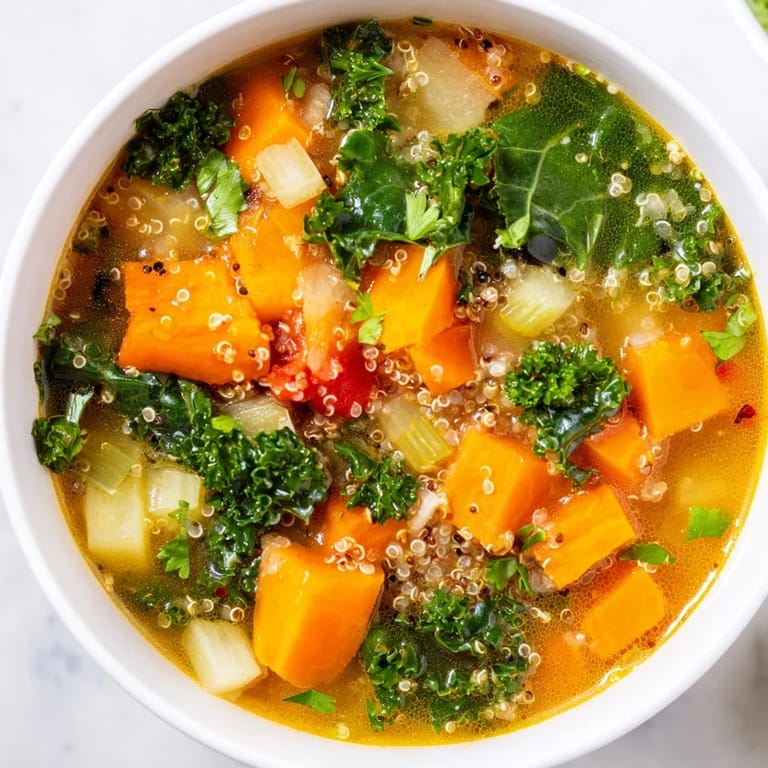
Save There's a moment, usually around minute twenty of simmering, when you lift the lid and the whole world seems to smell like home. That's when I know this soup is working—when it smells so good that people wander into the kitchen asking when it'll be ready.
How to Customize This Soup
Winter vegetables change with the season, so feel free to swap what you find. Butternut squash instead of sweet potato, turnips instead of parsnip, spinach instead of kale—the soul of the soup stays the same as long as you're using about the same total volume. I've made this with leftover roasted vegetables on busy weeks, adding them in the last five minutes, and it's been wonderful each time.
Boosting the Protein and Substance
If you want this to feel even more substantial, a can of drained chickpeas or white beans stirred in during the last few minutes adds both protein and a creamy texture without changing the character of the soup. I've also added a handful of cooked lentils when I've had them on hand, and they disappear into the broth in the most satisfying way.
Serving and Storage Tips
This soup is one of those rare dishes that tastes better the second day, after all the flavors have had time to meld. It stores beautifully in the refrigerator for up to four days, and freezes well for longer keeping—just make sure to leave a little headspace in your container. Serve it with crusty whole-grain bread, or even just a simple green salad alongside, and you have something that feels both nourishing and complete.
- Store in airtight containers and reheat gently on the stove, adding a splash of broth if it's thickened too much.
- For a little heat, add red pepper flakes to taste at the very end.
- Leftovers make an easy lunch the next day, requiring nothing but a bowl and a microwave.
 Save
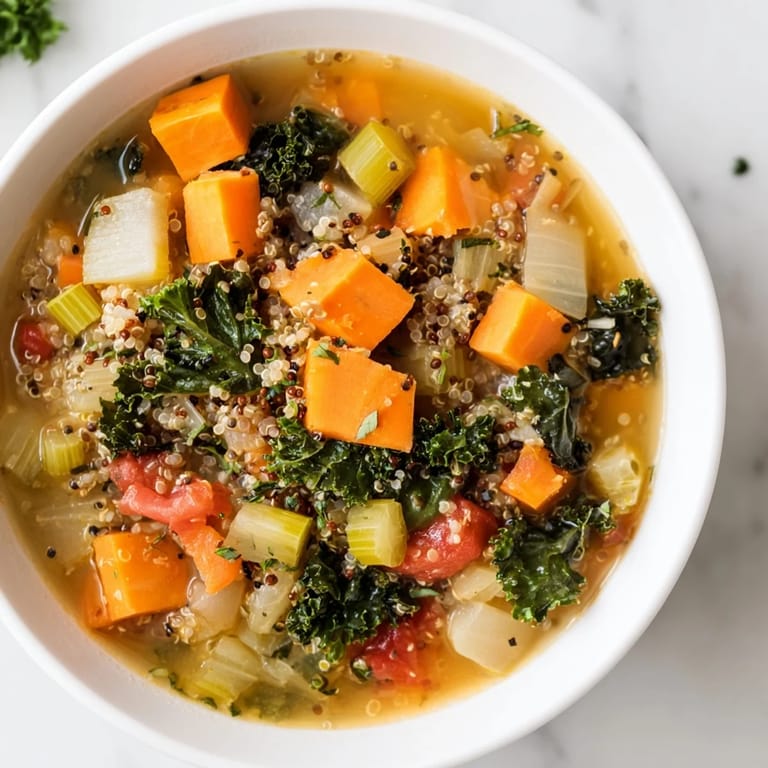
Save This soup reminds me that the simplest meals, made with care and good vegetables, are often the ones people remember. There's no fancy technique here, just honest food that nourishes both body and spirit on the days when you need it most.
Cooking Questions
- → Can I substitute the quinoa with other grains?
Yes, grains like brown rice or barley can be used as alternatives, though cooking times may vary.
- → What vegetables work well in this soup?
Winter vegetables such as carrots, parsnips, kale, cabbage, and sweet potatoes add great flavor and texture.
- → How can I add more protein to this dish?
Incorporate drained chickpeas or white beans to increase protein content without altering flavor significantly.
- → Is there a way to make this soup spicier?
Adding red pepper flakes during the initial sauté step introduces a subtle heat without overpowering the dish.
- → How should the soup be stored and reheated?
Store in an airtight container in the refrigerator for up to 3 days. Reheat gently on the stove or microwave until warmed through.
- → Can I use fresh herbs instead of dried ones?
Fresh thyme and oregano can be substituted but add them towards the end of cooking to preserve their flavors.