 Save
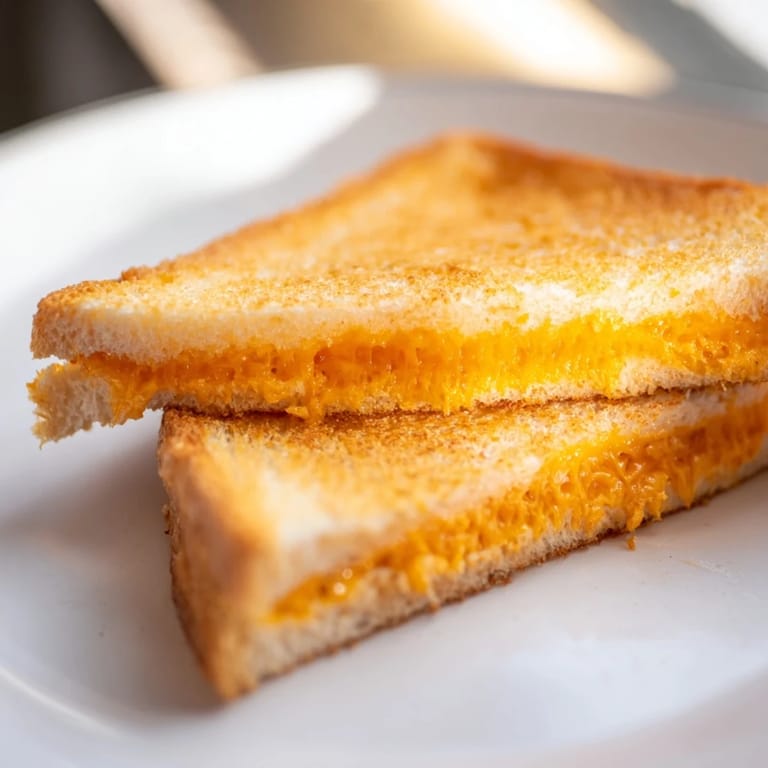
Save My roommate in college used to make these mayo grilled cheeses on Sunday afternoons while we watched cooking shows, and I remember thinking she was doing it all wrong—until I took that first bite and the crispy, golden exterior just shattered under my teeth. Turns out mayo browns in ways butter never could, creating this almost impossible combination of crunchy and creamy that shouldn't work but absolutely does. Now whenever I make one, I'm transported back to that tiny apartment kitchen, the smell of toasting bread filling every corner, and her voice saying, 'Trust me on this one.'
I made a batch of these for my friend Maya when she was going through a rough week, and she sat on my kitchen counter swinging her legs like a kid, eating it straight from the skillet while it was still too hot, burning the roof of her mouth, and laughing about it anyway. That's when I realized this isn't fancy food—it's the kind of thing that makes people feel taken care of, wrapped in bread and melted cheese and the smell of home cooking.
Ingredients
- Bread: White or sourdough works beautifully; sourdough adds a tangy note that plays against the creamy cheese, while white bread gives you pure comfort.
- Cheddar cheese: Use good quality slices—the kind that actually melts into creamy rivers rather than sitting stiff in your sandwich.
- Mayonnaise: This is your secret weapon; it browns faster than butter and creates a crust that stays crispy even as the cheese melts into warm luxury.
- Dijon mustard (optional): A thin stripe adds sophistication and cuts through the richness in the most unexpected way.
Tired of Takeout? 🥡
Get 10 meals you can make faster than delivery arrives. Seriously.
One email. No spam. Unsubscribe anytime.
Instructions
- Assemble with intention:
- Lay your bread on a clean surface and spread a thin, even layer of mayo on one side of each slice—thick enough to coat but not so much it seeps through. If you're using mustard, paint just a light layer on the opposite sides of two slices to balance the flavors.
- Build your layers:
- Nestle two slices of cheese between your bread slices, making sure the mayo-coated sides face outward like edible armor ready to brown. You're essentially sealing in all that melted cheese with a golden, crispy barrier.
- Heat with patience:
- Warm your skillet over medium-low heat—too high and the bread burns before the cheese even thinks about melting. You want a gentle, even heat that gives the mayo time to work its browning magic.
- First side to golden:
- Place your sandwiches mayo-side down and listen for that gentle sizzle. Cook for 3 to 4 minutes, watching the bottom edges turn golden, until you can peek underneath and see it's reached that perfect caramel color.
- The flip and finish:
- Turn them gently and cook the other side for another 3 to 4 minutes, pressing down lightly with your spatula so the cheese gets cozy with the bread. The gentle pressure helps everything meld without squeezing out the filling.
- Rest and serve:
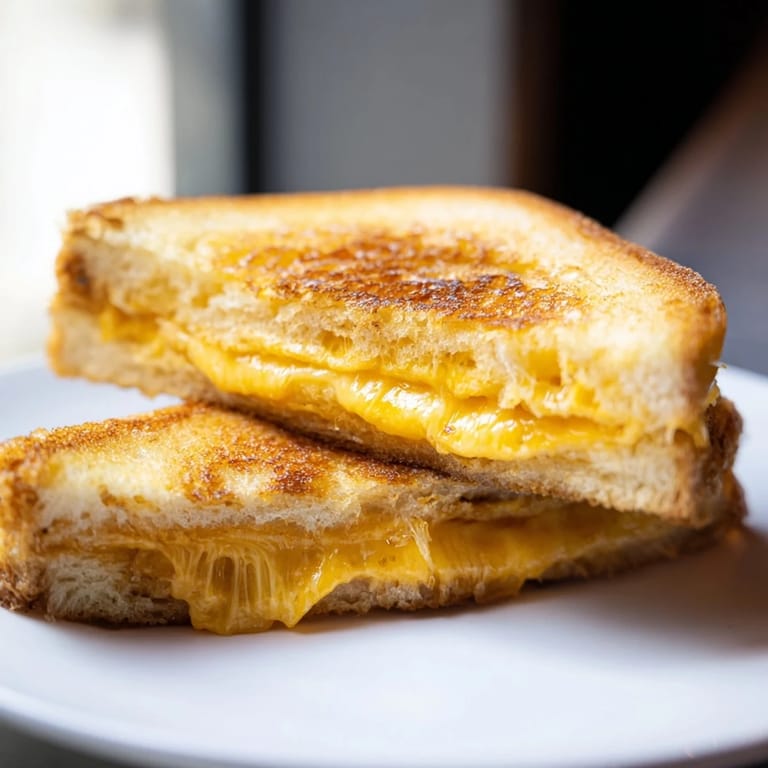
- Let them sit for just one minute after removing from heat—this gives the cheese a moment to set so it doesn't escape when you cut into it. Slice and eat while that contrast between crispy outside and warm, melted inside is still singing.
 Save
Save There's something about feeding someone a grilled cheese sandwich hot from the skillet that feels like the most basic form of care, and yet somehow it's never simple. This one—with its mayo-induced shine and the way it holds together—has become my go-to for moments when words aren't quite enough.
Why Mayo Instead of Butter
I spent years making grilled cheese the traditional way until someone asked me why I wasn't using mayo, and I realized I'd never actually questioned the butter assumption. Mayo browns at a lower temperature than butter and creates this impossibly crispy crust while keeping the interior tender, almost like it's been kissed by a torch. The emulsifiers in mayo help it brown evenly without separating, which means you get a consistent golden color across the whole sandwich instead of those uneven brown splotches butter sometimes leaves behind.
Cheese Selection Matters
Not all cheese melts the same way, and I learned this the hard way when I grabbed some fancy artisanal cheddar that stayed stubbornly solid while the bread turned to carbon. The best cheeses for this are the ones with good fat content and a melting point that matches the time it takes to toast the bread—cheddar, Monterey Jack, and Gruyère are reliable friends, while fresh mozzarella will do in a pinch if you don't mind a slightly less structured sandwich.
Variations That Work
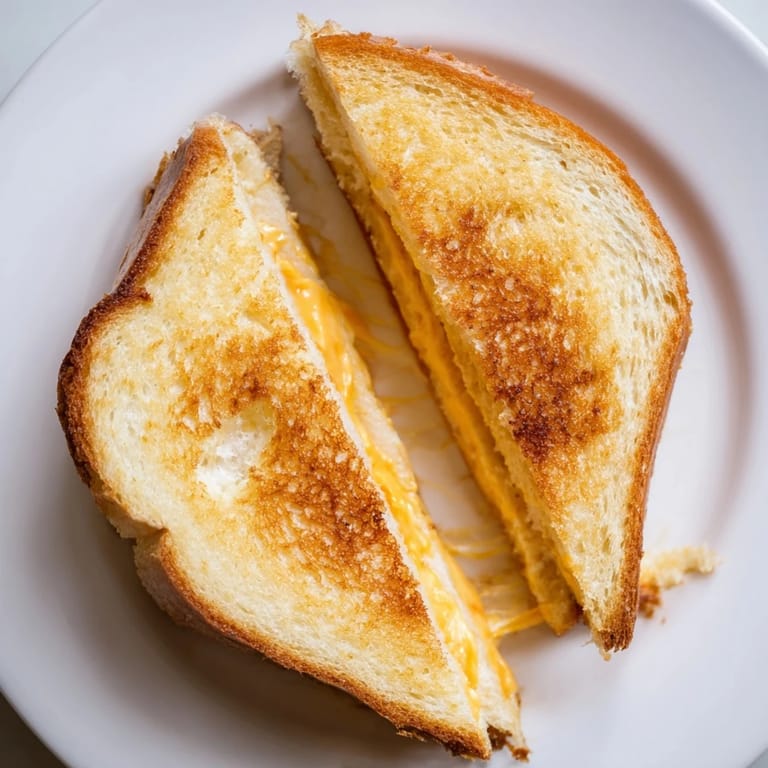
Once you've made the basic version a few times, the door opens to endless possibilities—a thin layer of Dijon mustard adds sophistication, while sliced tomatoes or caramelized onions bring brightness and depth. Crispy bacon turns it into something your friends will fight over, and if you're feeling adventurous, a tiny sprinkle of everything bagel seasoning right on the mayo before cooking adds a savory surprise.
- Tomato slices add moisture and a slight tang that brightens the whole sandwich.
- Caramelized onions add sweetness and complexity that makes people ask for the recipe.
- A thin layer of good mustard or even pesto creates flavor depth without overwhelming the cheese.
 Save
Save This sandwich has quietly become my answer to both 'I have five minutes' and 'I need to feel better,' which is the mark of any truly good recipe. Make it for yourself on a Tuesday afternoon, or make it for someone you love on any day.
Cooking Questions
- → Why use mayonnaise instead of butter?
Mayonnaise browns more evenly and creates a crispier crust with a subtle tang compared to butter, enhancing the sandwich's texture and flavor.
- → Can I use different types of cheese?
Yes, cheeses like Monterey Jack, Gruyère, or mozzarella work well for a melty, creamy interior with varied flavors.
- → What bread types are best for this sandwich?
White or sourdough breads are ideal for good structure and toasting, but gluten-free options can be used for dietary needs.
- → Is Dijon mustard necessary?
Dijon mustard is optional but adds a nice sharpness that complements the richness of the mayonnaise and cheese.
- → How do I achieve the perfect crust without burning?
Cook on medium-low heat and monitor closely, flipping when the bread turns golden brown to ensure a crispy but not burnt crust.