 Save
Save There's something about the smell of garlic hitting hot oil that makes you pause mid-conversation and just breathe it in. I stumbled onto this ditalini pasta one Tuesday evening when I had half-and-half in the fridge and absolutely no plans for dinner. What started as throwing together pantry basics turned into the kind of dish you find yourself making again and again, not because it's complicated, but because it's exactly what you didn't know you needed.
My neighbor came over on a rainy Sunday, and I threw this together while we caught up in the kitchen. She took one bite and asked for the recipe on the spot—turns out even the pickiest eaters recognize when something hits that sweet spot between comforting and light.
Ingredients
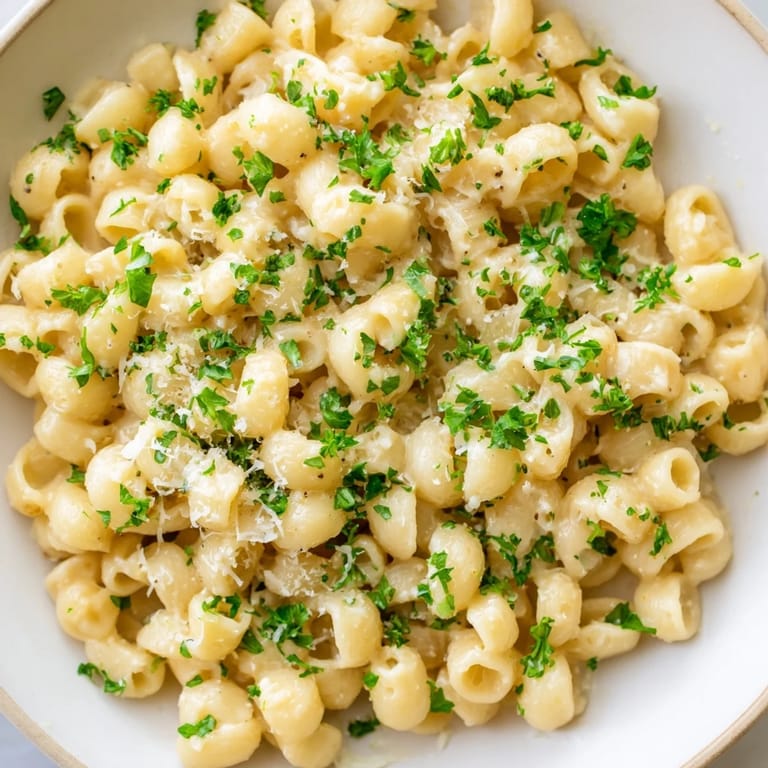
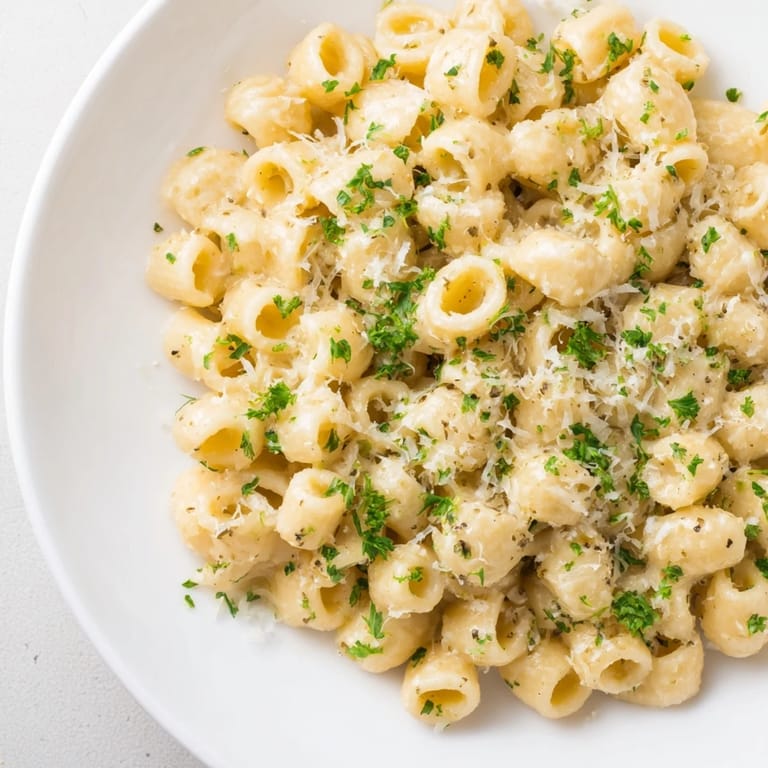
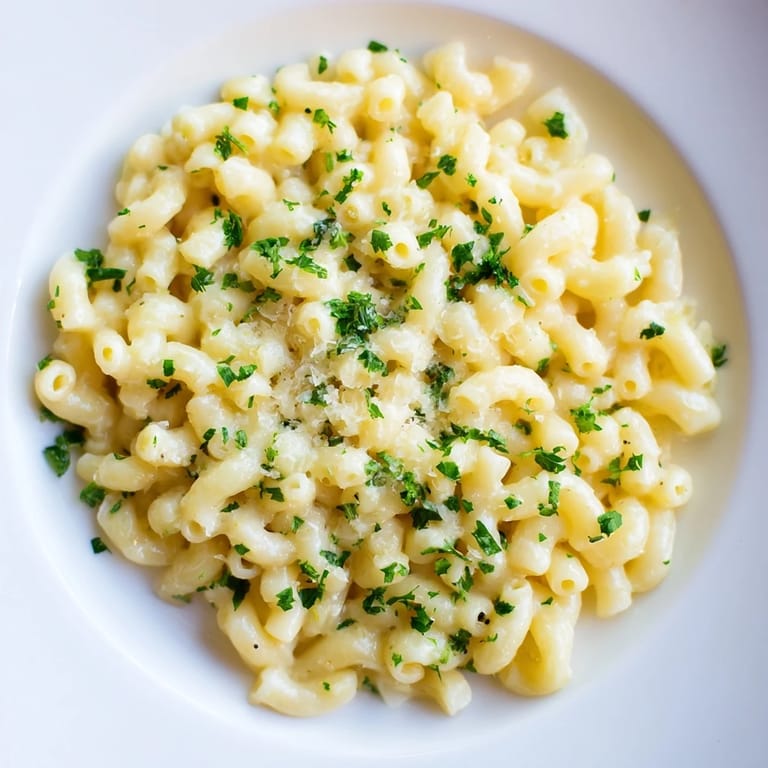
- Ditalini pasta (300 g): These little tube shapes are the secret to this dish; they trap the sauce inside and give you a spoonful of flavor in each bite, but small shells work beautifully too.
- Olive oil (1 tablespoon): The foundation of your sauce, use something you'd actually taste because it matters here.
- Garlic (4 cloves, finely minced): Don't skip the mincing step—chunks will cook unevenly and you'll end up with some mushy and some sharp garlic.
- All-purpose flour (2 tablespoons): This is your thickener and it prevents the sauce from breaking; don't skip it even if you're tempted.
- Half-and-half (480 ml): The hero ingredient that gives you richness without the heaviness of heavy cream, and it actually behaves better as it cooks.
- Low-sodium vegetable broth (60 ml): This adds body and keeps the sauce from becoming one-note; it should taste like a whisper, not a shout.
- Parmesan cheese (40 g, grated): Use the good stuff if you can—pre-grated versions sometimes have anti-caking agents that make the sauce grainy.
- Salt and black pepper: Taste as you go; salt is the most forgiving seasoning to adjust at the end.
- Red pepper flakes (optional pinch): A tiny pinch adds a warm tingle that makes people wonder what the secret ingredient is.
- Fresh parsley and extra Parmesan (for garnish): These aren't just decoration—they're a reminder that this is a fresh, thoughtful dish.
Tired of Takeout? 🥡
Get 10 meals you can make faster than delivery arrives. Seriously.
One email. No spam. Unsubscribe anytime.
Instructions
- Get your pasta water ready:
- Fill a large pot with salted water and bring it to a rolling boil. Cook the ditalini according to the package instructions, but start checking a minute or two early so you catch it at al dente—that's when it has just a little resistance when you bite it. Before you drain it, scoop out about half a cup of that starchy pasta water and set it aside in a mug; this liquid gold will save you if your sauce gets too thick.
- Build your garlic foundation:
- While the pasta cooks, pour olive oil into a large skillet over medium heat and let it warm for about a minute until it shimmers slightly. Add your minced garlic and listen for the gentle sizzle—this means the temperature is right. Stir it constantly for 1 to 2 minutes, watching carefully because garlic goes from fragrant and golden to burnt and bitter in seconds.
- Create the roux:
- Sprinkle the flour over the garlic and stir everything together constantly for about a minute. You're looking for a paste-like mixture that coats the bottom of the skillet; this is what will thicken your sauce and give it body.
- Whisk in the cream:
- Pour the half-and-half and vegetable broth in slowly while whisking continuously so you don't get lumps. Keep whisking for about 3 to 4 minutes—you'll feel it thicken under your whisk and notice the sauce going from thin to glossy and silky. If lumps do form, pour it through a fine sieve into a clean pot and start over; it only takes a minute and it's worth it.
- Season and simmer:
- Stir in the Parmesan, salt, pepper, and a tiny pinch of red pepper flakes if you want it. Let everything bubble very gently for 2 more minutes so the cheese melts completely and the flavors get to know each other.
- Bring it all together:
- Add your drained pasta to the skillet and toss everything until every piece of pasta is coated in the creamy sauce. If it looks too thick or the sauce isn't flowing, add your reserved pasta water a splash at a time while tossing, tasting as you go until it feels right.
- Finish and serve:
- Take it off the heat, top with fresh parsley and a handful of extra Parmesan if you want to be fancy about it, and serve it immediately while it's warm and the sauce still clings beautifully to the pasta.
 Save
Save I remember my daughter asking why this tasted different from the pasta we usually make, and realizing it's because I was actually paying attention—mixing properly, not rushing the garlic, tasting as I went. That's when I understood that this recipe isn't special because of fancy ingredients; it's special because it asks you to stay present in the kitchen.
Variations and Additions
This dish is forgiving and wants to be played with. Stir in shredded roasted chicken during the last minute of cooking, or sauté thin mushroom slices in a separate pan and fold them in—both add protein without changing the soul of the dish. If you want it earthier, a handful of sautéed spinach or kale goes in beautifully, or if you're feeling adventurous, a teaspoon of Dijon mustard brightens everything up.
Why This Works as a Weeknight Winner
The whole thing takes less than half an hour, which means you can go from thinking about dinner to eating it without hours of planning or shopping for exotic ingredients. Half-and-half is forgiving in ways that heavy cream sometimes isn't, staying smooth and silky instead of breaking or separating when you add cold pasta or broth. It's also the kind of meal that satisfies without making you feel guilty afterward, so you can actually enjoy it instead of just polishing it off.
Serving and Pairing Suggestions
This pasta loves company and pairs beautifully with a crisp green salad dressed in vinaigrette to cut through the richness, or crusty bread for soaking up any remaining sauce on the plate. A glass of dry white wine like Pinot Grigio or a light Sauvignon Blanc sits perfectly alongside it, and honestly, that's all you need for a complete, unpretentious dinner. If you want to add protein separately, grilled chicken or a simple lemony shrimp would work, or just keep it vegetarian and let the pasta be the star.
- Tear the parsley fresh right before serving so it keeps its bright green color and peppery bite.
- If you're making this ahead, reheat it gently on the stovetop with a splash of milk or broth rather than the microwave, which can make the sauce separate.
- Leftovers actually taste better the next day once all the flavors have settled, though you might need to add a little milk to loosen the sauce again.
 Save
Save This is the kind of recipe that becomes a reliable friend—the one you turn to when you want something that tastes like you spent hours cooking but didn't actually have to. It's proof that simple is sometimes the most satisfying.
Cooking Questions
- → What type of pasta is best for this dish?
Ditalini pasta is perfect due to its small shape that holds the creamy sauce well, ensuring a balanced bite each time.
- → Can I make the sauce dairy-free?
To adapt, substitute half-and-half with a plant-based milk such as almond or oat milk, and use dairy-free cheese alternatives for comparable creaminess.
- → How can I adjust the sauce thickness?
Reserve some pasta water when cooking, then add it gradually to the sauce to loosen the texture without losing flavor.
- → What cooking technique enhances garlic flavor here?
Sautéing minced garlic gently in olive oil until fragrant, without browning, releases a robust, mellow aroma integral to the sauce.
- → Are there any suggested add-ins for more protein?
Adding cooked chicken or sautéed mushrooms blends nicely, enhancing texture and nutritional depth while complementing the creamy sauce.