 Save
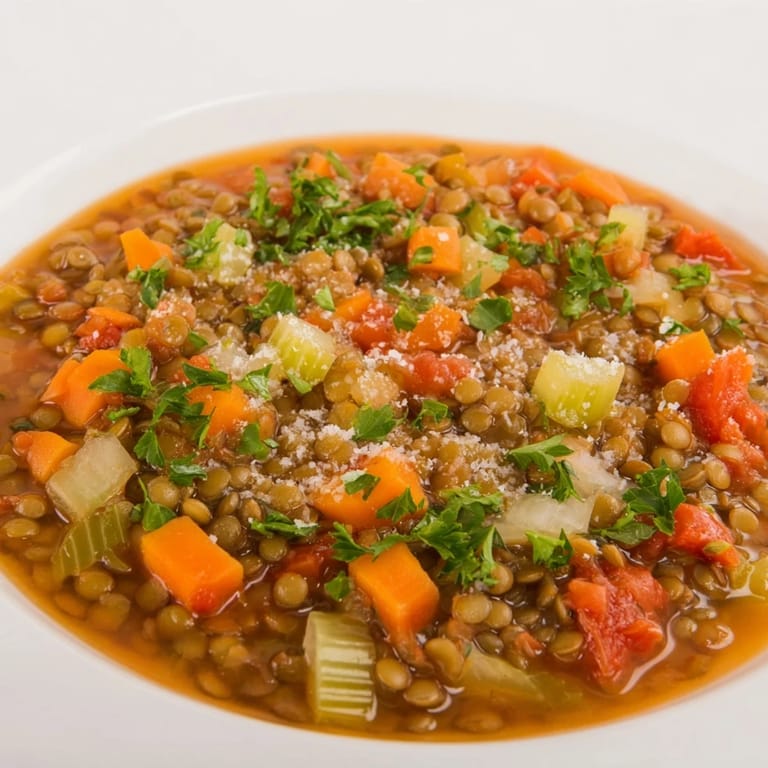
Save There's something about the smell of softening onions and carrots that makes me feel instantly productive, even on mornings when I'd rather stay in bed. I discovered this soup on a Tuesday when I had almost nothing in my pantry except a bag of brown lentils and some ditalini pasta I'd been meaning to use. What started as a practical lunch turned into something I now make whenever I want comfort without fuss, and it never disappoints.
My brother showed up unexpectedly on a cold afternoon with nothing but a hello, and I had this soup ready in less time than it took him to hang his coat. He ate two bowls and asked for the recipe with his mouth still full, which is the only praise I need.
Ingredients
- Olive oil: This is your foundation—don't skip it or use something flavorless, because those first few minutes of cooking vegetables in good oil is where the whole soup gets its personality.
- Yellow onion, carrots, and celery: The holy trinity that makes your kitchen smell alive; I've learned that taking the full 6–8 minutes to soften them properly changes everything about the final taste.
- Garlic: Minced fine enough that it disappears into the broth, adding depth that nobody can quite name but everyone notices.
- Brown lentils: They're sturdy and don't fall apart, unlike smaller varieties; rinsing them matters more than you'd think.
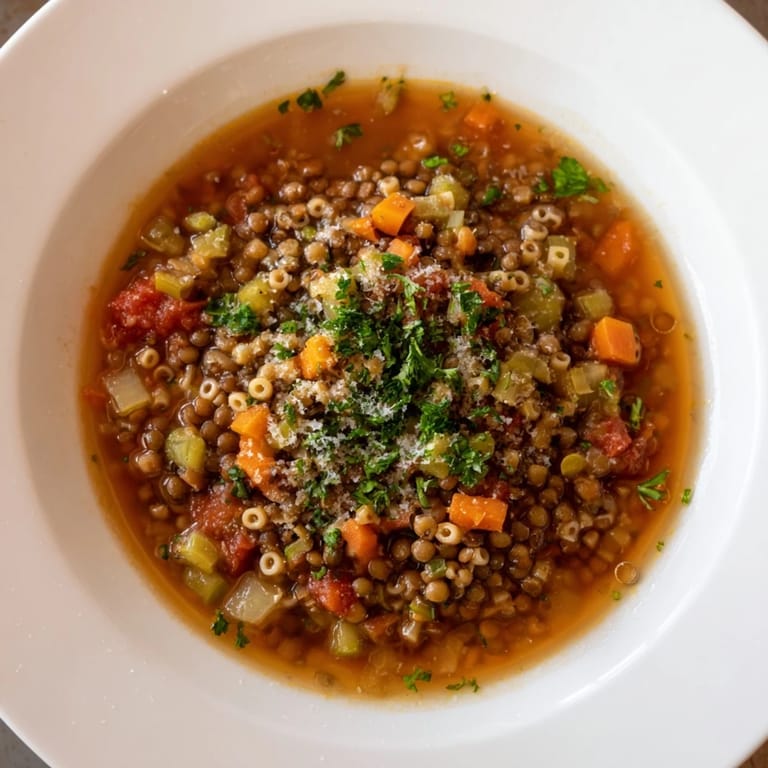
- Ditalini pasta: Those little tubes catch the broth inside them, making each bite more interesting than you'd expect from such a small shape.
- Low-sodium vegetable broth: Use something you'd actually drink on its own, because it becomes the voice of your soup.
- Diced tomatoes with juice: Canned tomatoes are reliable here in a way that fresh ones never could be, especially when you're not shopping in tomato season.
- Tomato paste: A concentrated punch of flavor that rounds out the acidity and adds a subtle sweetness.
- Dried thyme and oregano: These herbs remind me why dried herbs matter—they bloom when they hit the hot broth and fill the pot with Mediterranean warmth.
- Bay leaf: Remove it before serving, obviously, but don't forget it's there—it's quietly holding the flavors together.
- Red pepper flakes: Optional, but I always add them because a whisper of heat lifts everything else.
- Salt and pepper: Taste as you go; this matters more than following a number exactly.
- Fresh parsley and Parmesan: The green brightness and sharp cheese at the end make people think you spent more time than you actually did.
Tired of Takeout? 🥡
Get 10 meals you can make faster than delivery arrives. Seriously.
One email. No spam. Unsubscribe anytime.
Instructions
- Build your base:
- Heat the olive oil over medium heat and add the chopped onion, carrots, and celery. Sauté for 6–8 minutes, stirring occasionally, until the vegetables are soft and the onion is turning translucent. You'll know you're done when the kitchen smells sweet and savory at the same time.
- Wake up the garlic:
- Stir in the minced garlic and cook for just 1 minute—this is not the time to get distracted, because garlic burns faster than you'd think. You're looking for fragrant, not brown.
- Combine the soul of the soup:
- Add the rinsed lentils, diced tomatoes with their juice, tomato paste, thyme, oregano, bay leaf, and red pepper flakes if you're using them. Stir everything together until the tomato paste is fully mixed in and the pot looks deep and purposeful.
- Simmer until the lentils soften:
- Pour in the vegetable broth, bring to a boil, then lower the heat and cover the pot. Let it bubble gently for 20 minutes until the lentils are tender but still hold their shape. Peek in occasionally just because it smells so good.
- Add the pasta and finish cooking:
- Stir in the ditalini pasta and let it simmer uncovered for 8–10 minutes. The pasta will absorb the flavors of the broth while cooking, and the lentils will soften the rest of the way. Taste a few pieces to make sure everything is tender.
- Season and serve:
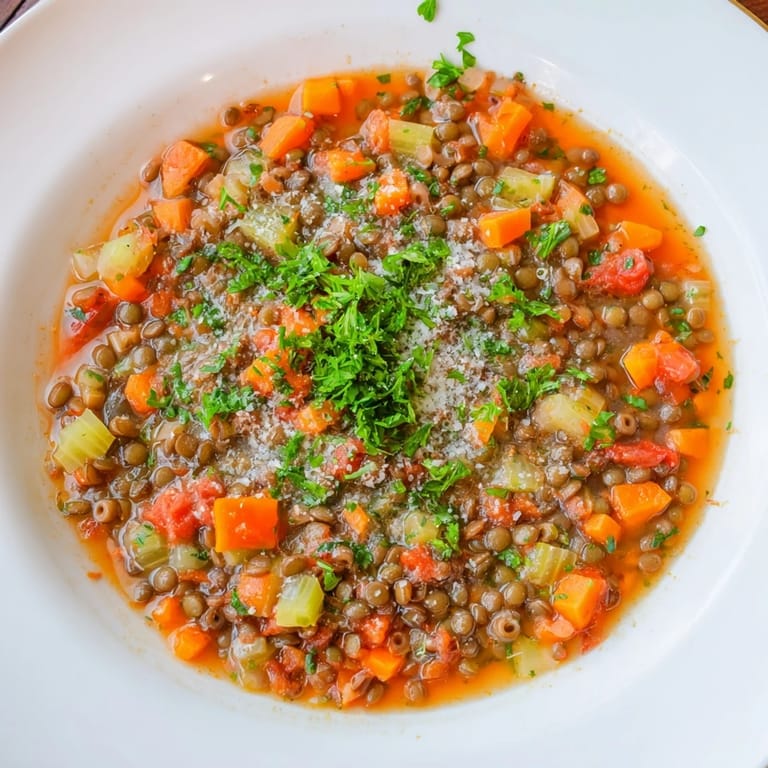
- Fish out the bay leaf, then taste the soup and add salt and pepper until it tastes the way you want it to—this is your moment to adjust. Ladle into bowls, scatter fresh parsley on top, and add a sprinkle of Parmesan if you like.
 Save
Save This soup taught me that cooking doesn't always have to be about impressing people; sometimes it's just about having something warm and real to offer someone. There's quiet power in that.
Flexibility and Variations
The beauty of this soup is that it forgives small substitutions and changes. If you don't have ditalini, any small pasta shape works just as well—I've used orzo, small shells, even broken spaghetti. Brown lentils are my choice because they stay firm, but red lentils will make the soup creamier and cook faster, which is useful if you're even more rushed than usual. If you want to sneak in greens without anyone noticing, add chopped spinach or kale in the last few minutes of cooking; they'll soften into the broth and add nutrition without changing the character of the dish.
Serving and Pairing
This soup is honest enough to stand alone, but I've learned it's even better when you give it a companion. A chunk of crusty bread for soaking up the last of the broth, a simple green salad to brighten the richness, or even some roasted vegetables on the side all make sense. I've served it cold on warm days too, which surprised me with how well it works; the flavors actually taste cleaner and more distinct when the soup isn't steaming.
Make It Your Own
A friend of mine adds a splash of red wine for depth, another swears by a parmesan rind simmered in the broth, and someone once told me they use chicken broth instead of vegetable because that's what their family has always done. The soup welcomes these choices because at its heart, it's just asking you to cook with what you have and taste as you go.
- For vegan cooking, skip the Parmesan entirely or use a plant-based version that actually melts.
- For a gluten-free version, swap the ditalini for certified gluten-free pasta and add an extra minute or two to the cooking time.
- Double the recipe and freeze it—the flavors actually mellow and marry together even better after a few weeks in the freezer.
 Save
Save This is the soup I make when I want to feel capable and generous without overthinking it. It's been feeding my table and my confidence ever since that Tuesday when I discovered that sometimes the simplest ingredients make the most lasting meals.
Cooking Questions
- → Can I substitute the ditalini pasta with another type?
Yes, small pasta shapes like elbow macaroni or small shells work well as substitutes without affecting cooking time significantly.
- → How do I make this dish vegan?
Simply omit the Parmesan cheese or replace it with a plant-based alternative to maintain the rich flavor profile.
- → What cooking tools are recommended for this dish?
A large soup pot is ideal for even cooking, along with a wooden spoon for stirring and a ladle for serving.
- → Is it possible to add greens to this dish?
Yes, adding chopped spinach or kale during the last few minutes of cooking adds a fresh, nutritious touch.
- → How can I adjust the seasoning to my taste?
Season with salt and freshly ground black pepper at the end, and consider crushed red pepper flakes for a mild heat if desired.