 Save
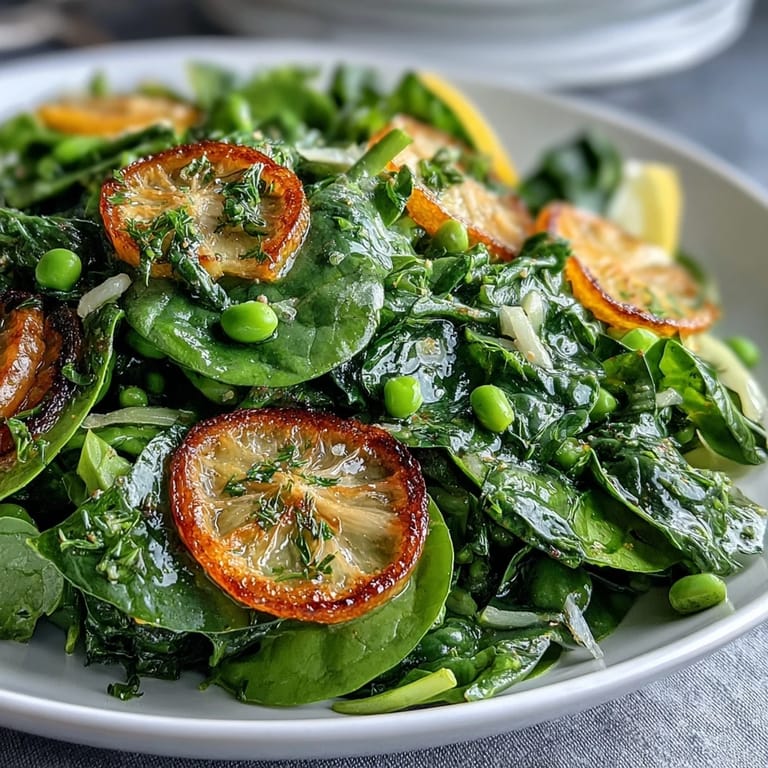
Save There's something about late April when the farmers market suddenly floods with those impossibly bright radishes and the first tender peas of the season. I grabbed a bunch one morning, and my kitchen smelled like spring for the first time in months—green, fresh, alive. That afternoon, I threw together this salad almost without thinking, but it became the kind of dish that makes you understand why people get excited about seasonal cooking. The bright lemon vinaigrette pulled everything together in a way that felt effortless but tasted intentional.
I served this to a friend who'd been complaining about winter fatigue, and watching her face light up after the first bite reminded me that food can actually shift someone's mood. She went straight for seconds, then asked for the vinaigrette recipe, which made my entire week. Now whenever I make it, I remember that moment of her surprise at how much flavor something so simple could hold.
Ingredients
- Mixed spring greens (arugula, baby spinach, watercress): These tender leaves wilt slightly when the warm vinaigrette touches them, releasing their subtle flavors—skip the heavy iceberg and embrace anything with a little personality.
- Sugar snap peas: Slice them on the diagonal and they look elegant while staying wonderfully crunchy; the angle actually matters for texture.
- Fresh or frozen green peas: I use frozen in winter without guilt because they're picked at peak ripeness and honestly taste better than sad fresh ones shipped across the country.
- Radishes: Use a mandoline if you're nervous about slicing them thin, but honestly a sharp knife and steady hand works fine—the thinner they are, the more they soften slightly and lose their harsh bite.
- Red onion: A small amount goes a long way; this is about supporting the other flavors, not overpowering them.
- Extra virgin olive oil: Don't skimp here because you'll taste every difference in quality once it emulsifies with the lemon.
- Fresh lemon juice and zest: Use a real lemon and zest it before you juice; bottled juice tastes hollow compared to the brightness you get from fresh citrus.
- Dijon mustard: It's the secret ingredient that makes the vinaigrette cling to the greens instead of sliding off.
- Honey: Just enough to round out the acidity and remind you there's something warm under all that brightness.
- Sea salt and black pepper: Taste as you go because salt levels vary depending on your other ingredients.
- Fresh chives and feta: Both are optional but the chives add a delicate onion note while feta brings a creamy tang that stops the salad from feeling too austere.
Tired of Takeout? 🥡
Get 10 meals you can make faster than delivery arrives. Seriously.
One email. No spam. Unsubscribe anytime.
Instructions
- Build your base:
- Pile your greens into a large bowl with the snap peas, green peas, radishes, and red onion. Don't overthink the arrangement since you're about to toss it anyway, but do make sure everything is distributed loosely so the vinaigrette can reach each ingredient.
- Whisk the vinaigrette:
- In a small bowl or mason jar, combine olive oil, lemon juice, zest, mustard, and honey. Whisk or shake until the mixture thickens slightly and emulsifies—you'll feel it come together, and it's oddly satisfying.
- Dress with intention:
- Drizzle the vinaigrette over your salad and toss gently but thoroughly, making sure every leaf gets coated. You're looking for that glossy finish where everything clings together without drowning.
- Plate and finish:
- Transfer to a serving platter or individual bowls, then scatter chives and feta over the top if using them. Serve immediately while the greens are still crisp and the flavors are singing.
 Save
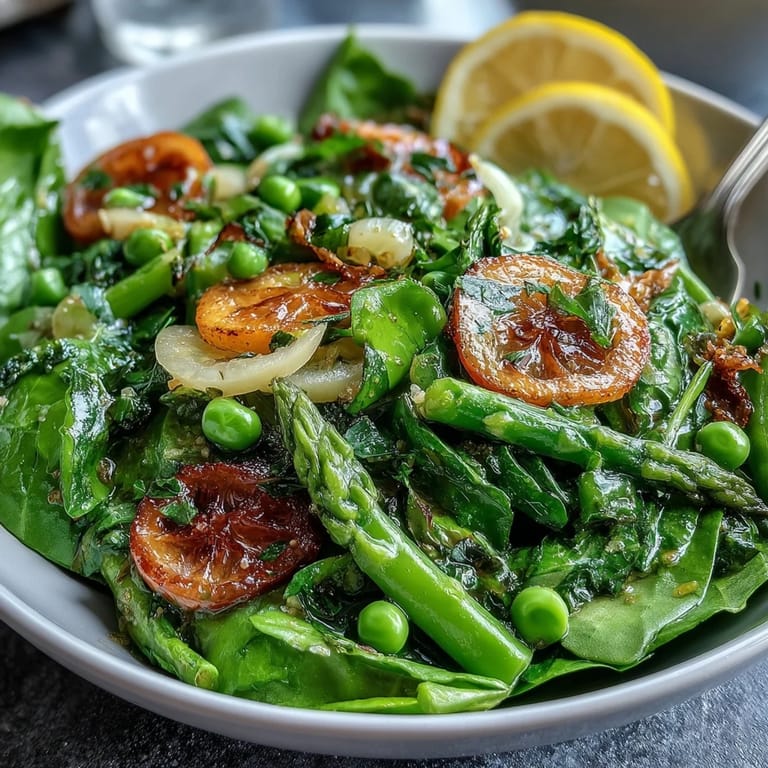
Save There's a moment in early summer when this salad stops being just food and becomes a celebration of the season itself. It's lighter than winter salads, more vibrant than the pale greens of early spring, and it tastes exactly like what you've been craving without knowing it. Serve it alongside something rich and grilled, or eat it as its own quiet lunch—either way, you're tasting the exact moment when everything starts growing again.
The Science Behind the Brightness
That lemon vinaigrette isn't just acid and oil thrown together—there's actual chemistry happening. The mustard acts as an emulsifier, holding the oil and lemon juice in suspension so the dressing coats your greens instead of separating into puddles. The honey rounds out the acidity so your mouth doesn't pucker, and the zest adds aromatic oils that juice alone can't deliver. Understanding this makes you feel less like you're following a recipe and more like you're making a choice at every step.
When to Make This Salad
Late spring and early summer are obviously ideal because that's when radishes and peas are at their peak, but honestly I've made this in winter with frozen peas and supermarket radishes and it still felt revelatory. The lightness makes it perfect for a lunch that doesn't leave you sluggish, or a side dish when you've grilled something substantial for dinner. Even in less-than-perfect seasons, the vinaigrette is good enough to make whatever vegetables you're using taste better than they have any right to.
Variations That Actually Work
The beauty of this salad is that it's flexible without losing its identity. I've added thin slices of cucumber, crumbled goat cheese instead of feta, toasted seeds for crunch, and even fresh mint on days when I wanted something more herbaceous. Each addition changes the salad without breaking it, which is the hallmark of a recipe that understands its own foundation. The vinaigrette is strong enough to carry any of these variations, so feel free to improvise based on what's in your kitchen or what sounds good that day.
- Toss in toasted sunflower seeds or sliced almonds if you want textural contrast and a richer finish.
- Grilled chicken, salmon, or chickpeas transform this from side dish into a complete meal.
- A handful of fresh herbs like dill or tarragon intensifies the spring feeling if your greens are looking a little plain.
 Save
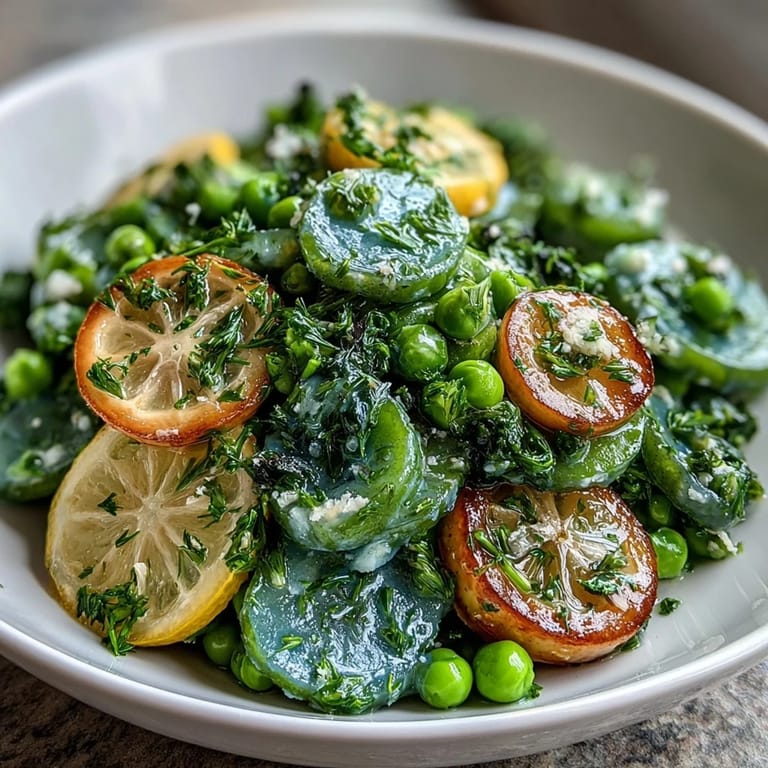
Save This salad taught me that sometimes the simplest things are the most satisfying, especially when you use ingredients at their peak. Make it when you see those bright radishes at the market and remind yourself that spring is worth celebrating.
Cooking Questions
- → What greens work best in this salad?
Mixed spring greens like arugula, baby spinach, and watercress provide a fresh, tender base that complements the dressing and other vegetables.
- → Can I substitute the radishes?
Yes, crunchy vegetables like thinly sliced cucumber or fennel can substitute radishes if preferred.
- → How do I make the vinaigrette emulsify properly?
Whisk the olive oil and lemon juice mixture vigorously until it thickens slightly and blends uniformly into a smooth dressing.
- → Is this salad suitable for vegans?
Omit the feta cheese or replace it with a plant-based alternative to keep the salad vegan-friendly.
- → What protein pairs well with this salad?
Grilled chicken or salmon complement the fresh flavors and add nourishment for a complete meal.
- → How long does the salad stay fresh once dressed?
For best texture, dress just before serving; dressed greens may soften if left over 1-2 hours.