 Save
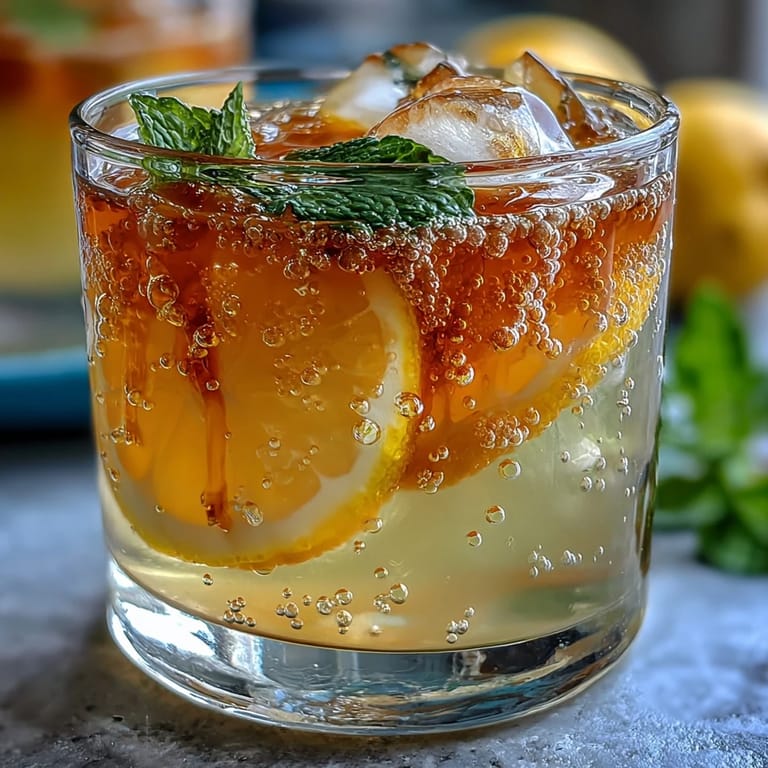
Save The first time I tried fermenting lemonade, it was out of pure curiosity and a desire for something zippy and homemade during a sticky summer week. There was a citrusy brightness in the air as I squeezed lemons, and between the sound of honey pouring and the anticipation of fizz, my kitchen felt like a science lab run by someone who just wanted a cold drink. Having seen jars burbling on friends' countertops, I was eager to see if I could coax bubbles from such simple ingredients. It’s wild how something so familiar can transform, given a little patience and a glass jar. The resulting lemonade was alive: tart with a touch of honey and a sly suggestion of fizz—hard to resist refilling my glass more than once.
Once, on a slow Sunday, I set a big jar on the kitchen counter just before friends arrived for board games. My curiosity about fermentation became the center of conversation, and soon everyone wanted a turn swirling the honey or tucking in sprigs of mint. There was laughter at my attempt to explain bubbles as ‘probiotic magic’ and a little nervousness when the time came to open the finished bottles with a theatrical hiss. The lemonade ended up outshining even the best snacks that day, and the fizz was enough to impress even the skeptical friend who ‘doesn’t like lemonade.’
Ingredients
- 8 large lemons, juiced (about 1½ cups/360 ml juice): Freshly squeezed juice is where the brightness comes from, and rolling lemons on the counter first makes them juicier.
- 1½ liters (6 cups) filtered water: Chlorine-free water helps avoid messing with fermentation; I always use my water filter for this.
- 120 g (⅓ cup + 1 tbsp) raw honey (unpasteurized): Raw honey is essential for a proper ferment and brings a floral depth; never use pasteurized or heated honey.
- 1 small knob fresh ginger, peeled and sliced (optional): Ginger gives a gentle, spicy edge and subtle heat—slice it thin for best flavor release.
- 1 sprig fresh mint (optional): Mint adds refreshing coolness; clap it between your palms before adding to unlock more aroma.
Tired of Takeout? 🥡
Get 10 meals you can make faster than delivery arrives. Seriously.
One email. No spam. Unsubscribe anytime.
Instructions
- Mix the Base:
- In a large jar or pitcher, blend the fresh lemon juice with your filtered water. The citrus scent upticks as soon as everything mingles.
- Dissolve the Honey:
- Add the raw honey and stir well—use the back of your spoon and keep stirring until there’s no trace of honey left at the bottom.
- Flavor, If Desired:
- This is your chance to toss in those ginger slices or mint sprig for an extra layer of flavor; they look pretty bobbing around, too.
- Prepare for Fermentation:
- Carefully pour your mixture into a spotless glass jar, leaving a bit of headspace to make room for the fizz that’s on its way.
- Cover and Set Aside:
- Close the lid loosely or fix on a fermentation airlock; set the jar somewhere out of direct sunlight and just wait—the quiet part begins.
- Ferment and Taste:
- After a day or two, give the lemonade a cautious taste—it should start to tingle with gentle bubbles and a tart kick. Once it tastes just right (usually at the two to three-day mark), move it to swing-top bottles and seal tightly.
- Chill and Enjoy:
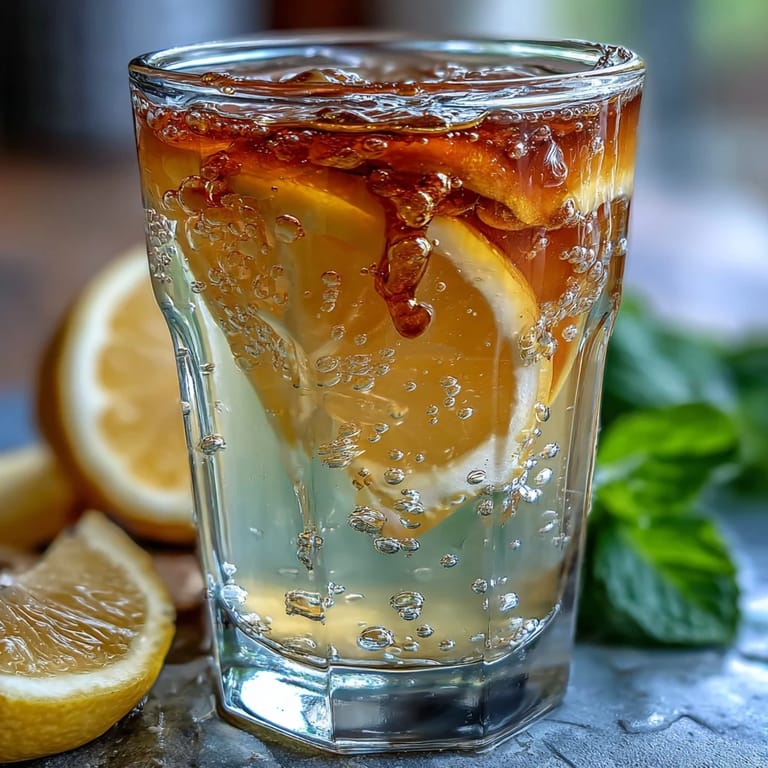
- Let your fermented lemonade chill in the fridge for at least four hours. When you finally pour it over ice, expect a sparkling, thirst-quenching treat.
 Save
Save 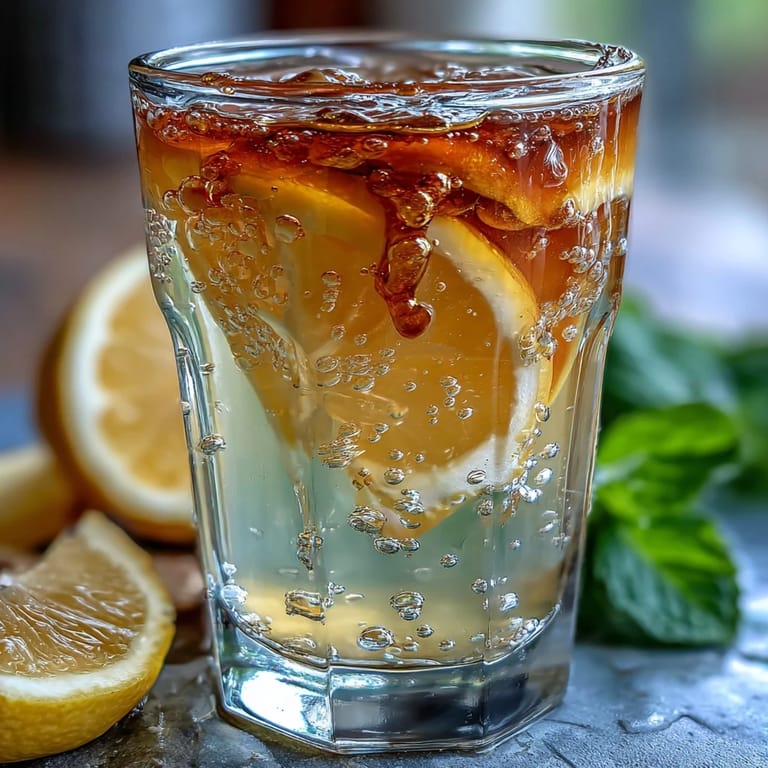 Save
Save One evening, after a hot day of gardening, I poured myself a glass straight from the fridge, and the first sip made me stop in my tracks—suddenly, it felt like summer could last forever. That simple, fizzy lemonade has since become my go-to reward after hard work or when friends drop by, and it always starts conversations about how food can naturally transform.
How I Troubleshoot Bubbles (and Other Kitchen Surprises)
Fermentation has a mind of its own—sometimes my first batch fizzed like crazy, and once it barely bubbled after three days. If your kitchen runs cool, the process might be slower, so give it an extra day and trust the taste rather than the clock. If you see tiny bubbles racing along the jar, celebrate: that means it’s working. The sound of a bottle popping open is always satisfying, but go slowly to avoid a lemonade geyser on your counter.
Flavor Additions Worth Trying
I’ve started experimenting by tossing in crushed berries or a few fresh basil leaves to keep things lively. Mint and ginger are classic, but a bit of sea salt really enhances the tang and sweetness for something almost like an electrolyte drink. My family now asks, “What’s the surprise flavor?” each batch, which adds a bit of anticipation to every pour.
Practical Tips for Storing (and Savoring) Every Sip
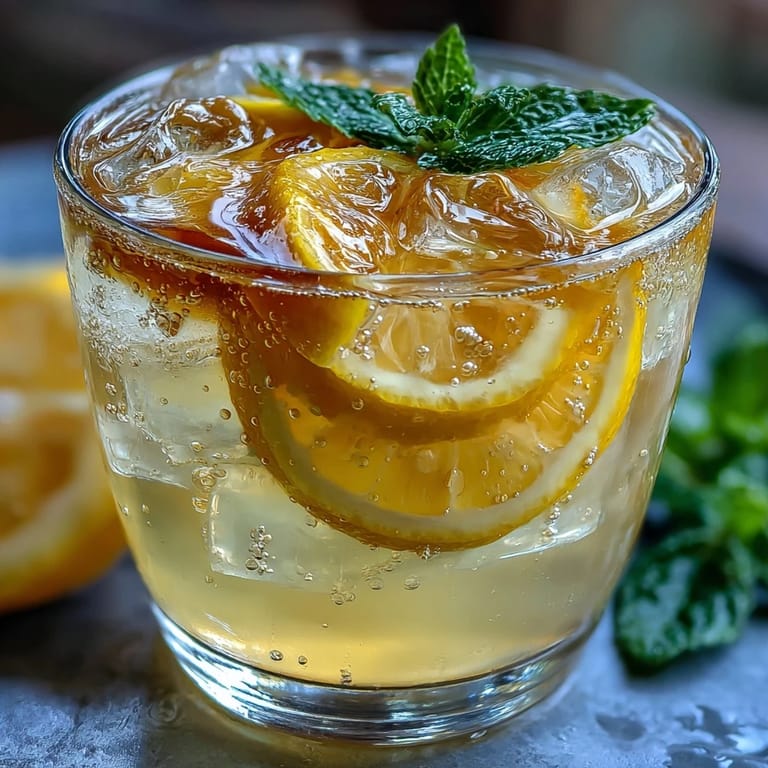
Keep your finished bottles in the fridge so the fizz stays strong, and always open them slowly—pressure can build unexpectedly, especially after extra fermentation time. I like pouring over lots of ice with a few lemon wheels for an extra burst of sunshine in the glass.
- Check for bubbles each day—taste is more important than the timer.
- Use clean bottles to keep unwanted flavors out.
- Don’t forget: leave space in bottles for the gas, or the lemonade might try to escape!
 Save
Save 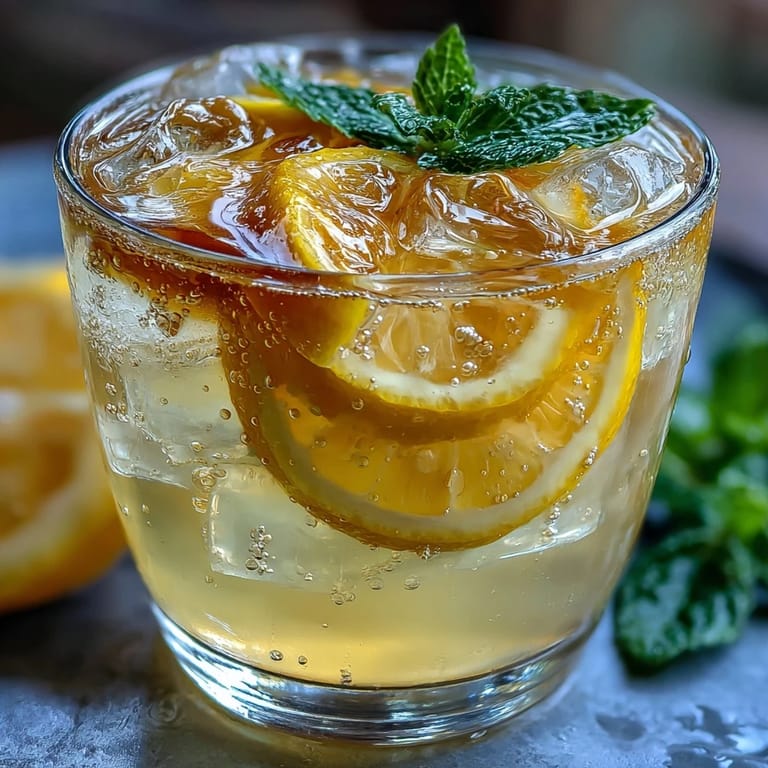 Save
Save There’s something fun and almost magical in waiting for naturally fizzy lemonade to appear. I hope this recipe brings a tiny thrill to your kitchen and plenty of sunny moments to your table.
Cooking Questions
- → How long should I ferment the lemonade?
Ferment at room temperature for 2–3 days, tasting daily. If you prefer a stronger fizz and tang, extend to 4 days but check bottles often and watch for pressure.
- → Why is raw honey recommended?
Raw honey contains natural yeasts and enzymes that help gentle fermentation and flavor development. Processed or pasteurized honey may not ferment reliably.
- → Can I substitute another sweetener for honey?
You can use cane sugar or turbinado as an alternative, but fermentation pace and final flavor will differ. If substituting, monitor carbonation and adjust sweetness to taste.
- → What flavor additions work well?
Sliced ginger or fresh mint add bright aromatics. Berries, basil or a pinch of sea salt can provide interesting variations—add during fermentation for subtle infusion or before bottling for fresher notes.
- → How should I store the finished beverage?
Seal in swing-top bottles or jars and refrigerate. Cold storage slows fermentation and preserves fizz. Open bottles slowly to safely release pressure.
- → Is this suitable for all guests?
Contains honey, so it is not suitable for infants under one year and should be avoided by anyone with honey allergies. Always check ingredient labels for allergens in added flavors.