 Save
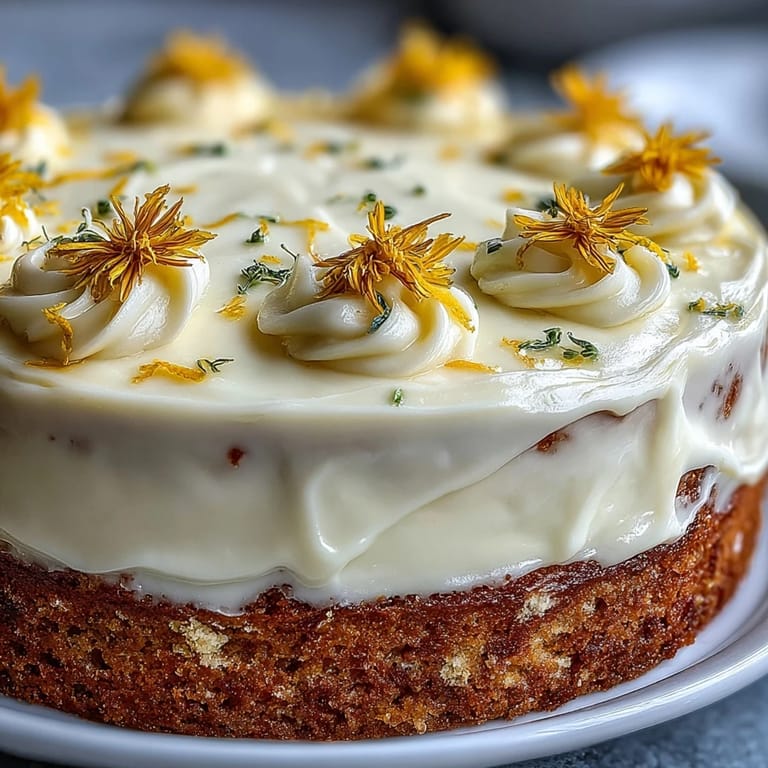
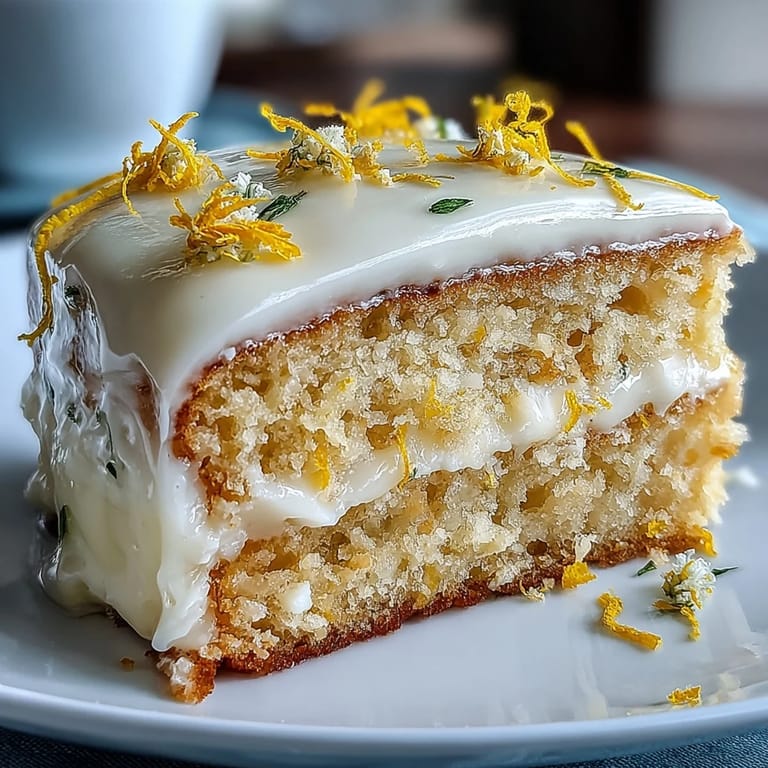
Save The sharp tang of lemon always signals the start of warm weather in my kitchen. On a recent spring morning, with the windows cracked to let in sweet breezes, I set out to make this sunshine-filled lemon cake for a dear friend’s baby shower. The gentle thrum of the stand mixer and the bright aroma of lemon zest instantly lifted my mood. I wanted the cake to look as joyful as the occasion, so I tracked down a bouquet of edible flowers from the tiny corner shop. There’s something about layering delicate blooms over a fluffy cake that feels effortless yet utterly special.
The first time I brought this lemon cake to a gathering, I watched quiet anticipation sweep through the room as I set it down. My niece leaned in and whispered, Is it really okay to eat the flowers? and the look on her face when she took her first bite made the extra effort completely worth it.
Ingredients
- All-purpose flour: Creates a soft crumb—sifting it gives the cake a tender texture.
- Baking powder & baking soda: Both offer lift, ensuring each bite is airy and not too dense.
- Salt: Just a pinch, but it sharpens the lemon flavor beautifully.
- Unsalted butter: Room temperature is key for creaming—give it a gentle squeeze to check softness.
- Granulated sugar: Sweetens and helps the cake turn golden as it bakes.
- Eggs: Let them warm to room temp for better mixing—a quick water bath is my trick if I forget.
- Lemon zest: Use a microplane for zest that melds right into the batter.
- Fresh lemon juice: Bottled just won’t deliver that zingy brightness here.
- Vanilla extract: Adds depth—it’s subtle but noticeable, especially with lemon.
- Buttermilk: Its subtle tang and richness keeps the crumb soft and moist.
- Cream cheese: For the frosting, let it fully soften so your icing is silky, not lumpy.
- Powdered sugar: Sifting saves the day—no one wants gritty frosting.
- Edible flowers: Always choose fresh, unsprayed flowers—you can prep them gently with a paper towel so they won’t wilt.
Tired of Takeout? 🥡
Get 10 meals you can make faster than delivery arrives. Seriously.
One email. No spam. Unsubscribe anytime.
Instructions
- Prep the pans and oven:
- Set your oven to 350°F and line two 8-inch cake pans with parchment. A bit of grease on the sides makes unmolding so much easier later.
- Whisk dry ingredients:
- Combine the flour, baking powder, baking soda, and salt in a large bowl. Just a few whisks to blend evenly—this avoids any accidental pockets of baking soda in the cake.
- Cream butter and sugar:
- Using an electric mixer, beat butter and sugar on medium-high until it’s pale and fluffy, about three minutes. The batter should look lofty and almost cloud-like.
- Add eggs and flavors:
- Add eggs one at a time, mixing after each, then stir in lemon zest, lemon juice, and vanilla. You’ll smell the lemon immediately—don’t rush this part.
- Combine wet and dry:
- Alternate adding the dry ingredients and buttermilk to the batter, starting and finishing with dry. Mix on low and just until combined; overmixing is the enemy of a tender cake.
- Fill the pans:
- Divide the batter evenly, smoothing tops with an offset spatula. Give each pan a little tap on the counter to level everything out.
- Bake:
- Bake for about 28–32 minutes until a toothpick comes out clean and the tops spring back. The kitchen will smell gloriously citrusy before you even peek in.
- Cool the cakes:
- Let cakes cool in their pans for ten minutes, then gently turn them onto a wire rack to finish cooling completely. If they’re too warm, the frosting will melt right off.
- Make the frosting:
- Beat cream cheese and butter until smooth and fluffy. Whip in powdered sugar gradually, then the lemon zest, juice, and vanilla—the frosting should swish easily on a spoon.
- Layer and frost:
- Place one cake layer on your serving plate, spread with frosting, then stack the second on top and cover the top and sides. Don’t worry about perfect swirls; the flowers will do the wowing.
- Decorate:
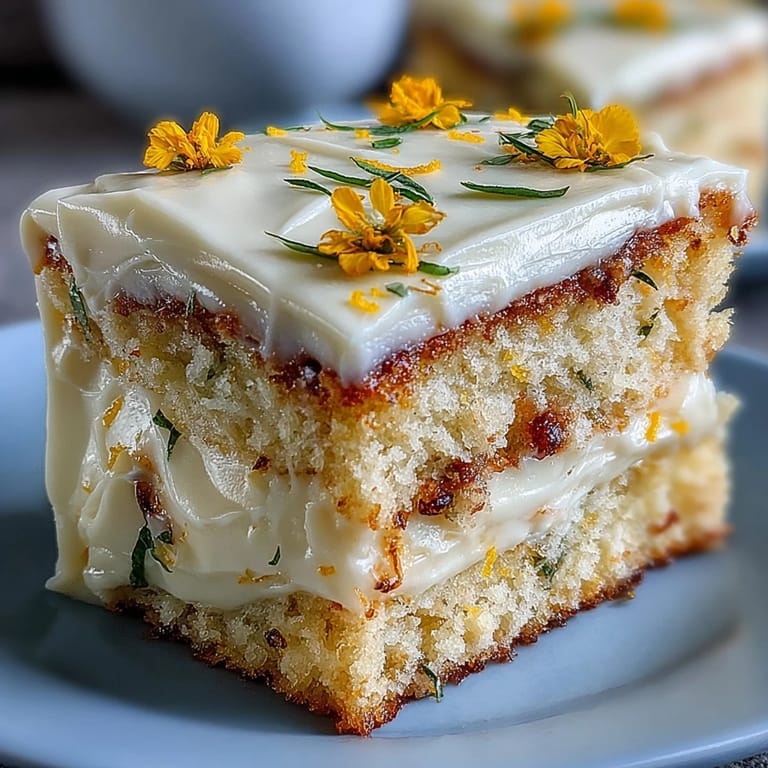
- Just before serving, gently press edible flowers onto the cake’s surface. Take your time—it turns plain cake into a centerpiece in seconds.
 Save
Save 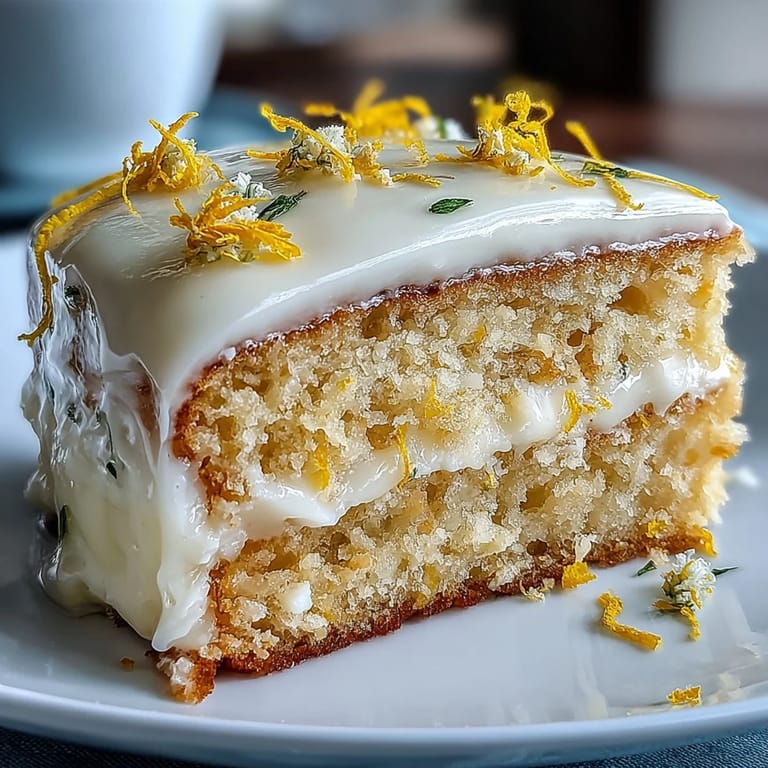 Save
Save I’ll always remember one sunny afternoon when my friend paused, fork in hand, and said this tasted like hope in cake form. In that moment, with laughter bouncing off the walls and another slice quietly disappearing, it was more than just dessert—it was celebration made edible.
How to Get the Lightest Lemon Cake
Over the years I’ve learned not to cut corners on beating the butter and sugar—three whole minutes might seem long, but it really sets up the batter for fantastic lift. If the weather’s warm, I pop my mixing bowl in the fridge for a few minutes before starting, so everything stays cool and whips up high.
Choosing and Prepping Edible Flowers
Look for pansies, marigolds, or violets at a farmers market or specialty grocer. Always wash and dry the blooms gently with a soft towel, and trim as much stem as possible. It’s worth buying extra in case a few get bruised (I always lose at least one to excited helpers).
Serving Suggestions for Baby Showers
Stack this cake on a pretty glass pedestal for wow factor, or serve with sparkling lemonade to match the citrus. If your group includes kids, offer a few extra flowers on the side so everyone can decorate their own mini slice and get involved in the fun.
- For a more subtle look, use only white or pale yellow flowers.
- Chill the cake for 20 minutes before slicing for the cleanest cuts.
- Lemon curd between the layers adds a surprise burst of flavor.
 Save
Save 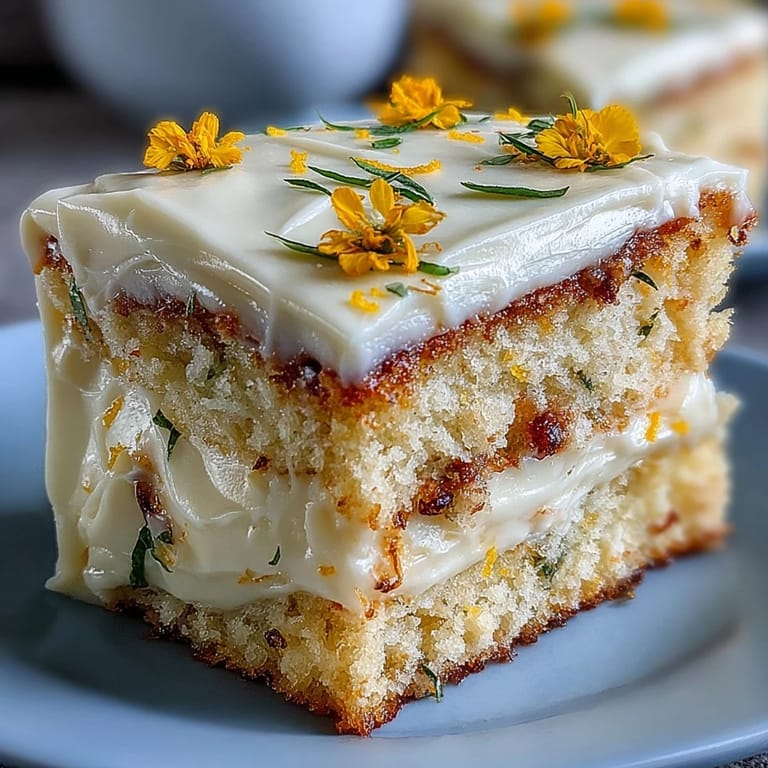 Save
Save I hope this cake adds a dash of sunshine to your own special occasions, just as it has to mine. Enjoy every beautiful slice!
Cooking Questions
- → Can I substitute sour cream for buttermilk?
Yes. Use an equal amount of sour cream or make a quick buttermilk substitute by adding 1 tablespoon lemon juice to 1 cup milk. The acidity keeps the crumb tender and brightens the lemon flavor.
- → How do I keep the frosting from sliding?
Ensure the cake layers are fully cooled before frosting. Chill the crumb-coated cake for 15–30 minutes to set the crumb coat, then apply the final layer of frosting. A slightly firmer frosting (chilled briefly) will also help maintain structure.
- → Are all edible flowers safe to use?
Only use edible, unsprayed flowers from a reputable source. Popular choices include pansies, violets and marigolds. Remove stamens if necessary and wash and dry flowers thoroughly before decorating.
- → Can the layers be made ahead?
Yes. Baked layers can be wrapped and stored at room temperature for a day or frozen for longer. Frosting and final assembly are best done the day of serving for freshest texture and appearance.
- → How do I reduce frosting sweetness without losing flavor?
Cut back the powdered sugar slightly and boost lemon zest and a touch more lemon juice for tang. Chilling the frosting briefly before spreading will improve texture with less sugar.
- → What's the best way to get even layers?
Weigh the batter or use a measuring cup to divide evenly between pans. Smooth the tops with a spatula and tap pans gently to release any large air bubbles before baking.