 Save
Save There's something about the smell of hojicha that stops me mid-morning, like someone just opened a window to a quiet tea garden. I discovered this drink on a sticky summer day when my usual coffee felt too heavy, and a friend casually suggested we try brewing hojicha cold instead. The first sip was unexpected—toasty, almost nutty, with this gentle sweetness that didn't feel like trying too hard. Now it's my go-to when I want something that feels both comforting and refreshing, something that tastes a little bit like slowing down.
I made this for my sister last summer when she visited during that unbearably hot week, and she sat on the kitchen counter swinging her legs like we were kids again, asking me to remake it three times because she kept finding excuses to stay in the cool kitchen. Watching her close her eyes after that first sip reminded me why I love making drinks for people—it's such a small thing, but it somehow becomes a moment.
Ingredients
- Hojicha loose leaf tea: This roasted green tea has a deeper, almost smoky flavor that regular green tea can't touch, and loose leaf gives you so much more control over strength than bags ever could.
- Hot water: Keep it just below boiling—around 90°C—because boiling water will turn your hojicha bitter and that defeats the whole point.
- Pure maple syrup: The real stuff dissolves cleanly into warm tea and doesn't leave that weird aftertaste that some syrups do.
- Vanilla extract: Just a whisper of it, because vanilla in cold drinks can sometimes taste too perfumy if you're not careful.
- Milk of choice: This is where you get to decide your whole vibe—oat milk makes it creamy and rich, almond keeps it light, dairy gives you that classic silky texture.
- Ice cubes: Use big ones if you can, they melt slower and won't water down your drink halfway through.
Tired of Takeout? 🥡
Get 10 meals you can make faster than delivery arrives. Seriously.
One email. No spam. Unsubscribe anytime.
Instructions
- Brew your hojicha gently:
- Pour just-barely-boiling water over your tea and let it steep for 3 to 4 minutes—you'll see the water turn this beautiful amber color and the smell will fill your whole kitchen. Don't rush this part or skip ahead, because timing is where the magic lives with hojicha.
- Sweeten while it's warm:
- Once you strain out the leaves, stir in the maple syrup and vanilla while the tea is still hot so they dissolve without any gritty texture hanging around. This is the moment where the flavors actually marry together instead of just floating in separate directions.
- Cool it down smartly:
- You can let it sit at room temperature for a few minutes or speed things up by refrigerating it, but don't try to rush this into ice cubes immediately or you'll get watered-down tea. Patience here pays off when you take that first cold sip.
- Build your glass with intention:
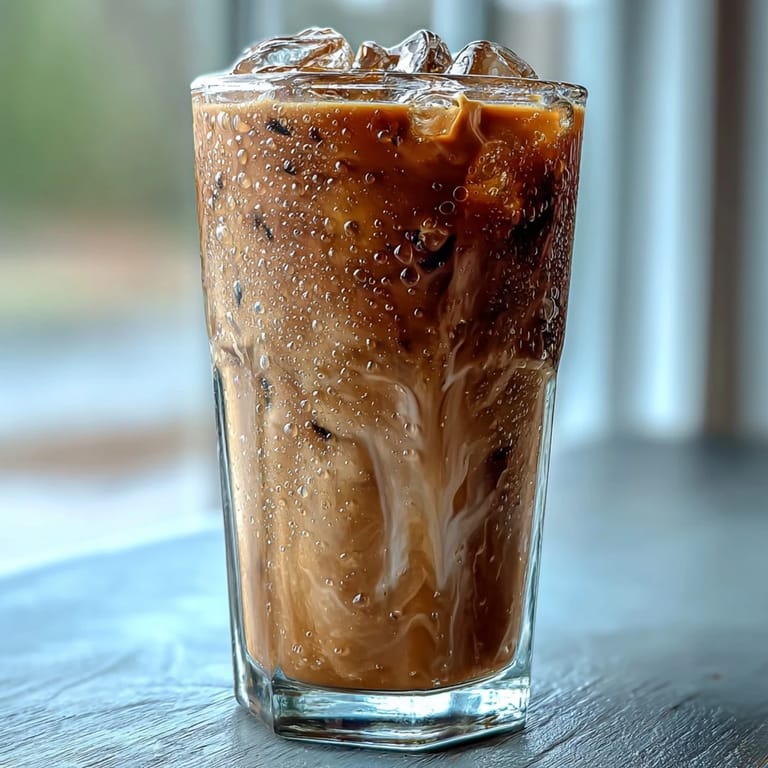
- Fill your glasses with ice first, pour the chilled hojicha slowly over it, then add your milk. The way you layer this matters because it creates those beautiful swirls before you stir, and honestly, it just tastes better when it looks nice.
- Stir gently and serve:
- Bring it to the table right away while the ice is still doing its job and the drink is properly cold. There's a small window where everything tastes exactly as it should.
 Save
Save There was this one afternoon when I made this for my neighbor who was going through something difficult, and she came back the next day asking if I'd teach her how to make it. We stood in her kitchen talking about nothing in particular while the hojicha brewed, and I realized that sometimes the best thing about food is just having a reason to stand beside someone. She makes it now whenever she needs a moment of calm, and somehow that feels like the whole point.
The Hojicha Advantage
Hojicha isn't as well-known as matcha in most Western kitchens, but it's honestly the quieter, more sophisticated choice. The roasting process gives it this toasty depth that makes it feel almost dessert-like even without much added sweetness, and it has way less caffeine than regular tea, so you can drink it in the afternoon without your thoughts racing. I've converted several coffee drinkers with this single drink because it gives them something warm and complex without the jittery feeling they've been trying to escape.
Making It Your Own
The beauty of this recipe is how it doesn't fight you if you want to change things around. Some mornings I add a touch of honey instead of maple, other times I'll froth the milk and pour it on top so it sits like a little cloud. The vanilla is completely optional—sometimes I skip it and let the hojicha speak for itself, and sometimes I add a cinnamon stick just because the mood strikes me that way.
Serving and Storage
This drink is best consumed right away, while the ice is still doing its job and the temperature is exactly where it should be. If you're making hojicha for a group, you can brew the tea ahead and keep it refrigerated for up to two days, then just assemble each glass fresh when people want one. The ice cubes are really important here because they keep the drink cold without diluting it too much if you choose quality ice.
- Make your hojicha base the night before if you're serving a crowd, and assembly becomes almost meditative.
- If you don't have milk handy, this is delicious over ice with just a touch of sweetener and nothing else.
- Experiment with garnishes like a sprinkle of hojicha powder or a cinnamon stick because the smallest detail can make someone feel like you really cared about their drink.
 Save
Save This iced hojicha latte is the kind of drink that makes ordinary days feel a little bit more intentional, like you paused to make something that matters. It's simple enough that you'll return to it again and again, but special enough that it never feels routine.
Cooking Questions
- → What does hojicha taste like?
Hojicha has a distinct earthy, nutty flavor with caramel-like notes resulting from the roasting process. Unlike other green teas, it has a lower caffeine content and a smoother, less astringent taste. The roasted character creates a warm, toasty profile that pairs exceptionally well with milk and sweeteners.
- → Can I use other sweeteners instead of maple syrup?
Absolutely. While maple syrup adds a lovely depth of flavor, you can substitute with honey, agave nectar, or your preferred liquid sweetener. Granulated sugar works too—simply dissolve it in the warm tea before cooling. Adjust the quantity based on your personal taste preferences and the natural sweetness of your chosen milk.
- → Is this latte served hot or cold?
This version is specifically designed as an iced beverage for a refreshing experience. However, you can easily transform it into a warm latte by skipping the ice and serving the sweetened tea topped with steamed milk. The roasty, comforting qualities of hojicha make it equally enjoyable hot, especially during colder months.
- → What type of milk works best?
The choice of milk depends on your dietary preferences and desired creaminess. Dairy milk provides a rich, classic texture, while oat milk offers natural sweetness and excellent frothing capabilities. Almond and soy milk are lighter alternatives that still complement the roasted tea flavors beautifully. For the creamiest iced version, try frothing your milk before pouring.
- → How should I store leftover prepared tea?
The sweetened hojicha base can be stored in an airtight container in the refrigerator for up to 2-3 days. Keep it separate from the milk and ice, then assemble your latte fresh when ready to serve. Note that the flavors may mellow slightly over time, so you might want to adjust the sweetener or add a splash more vanilla after refrigeration.
- → Can I make this in advance for meal prep?
Yes, this beverage is perfect for meal prep. Brew a larger batch of the sweetened hojicha concentrate and store it in the refrigerator. When ready to enjoy, simply pour over ice and add your milk. This method saves time and ensures you have a refreshing, cafe-quality beverage ready throughout the week without daily brewing.