 Save
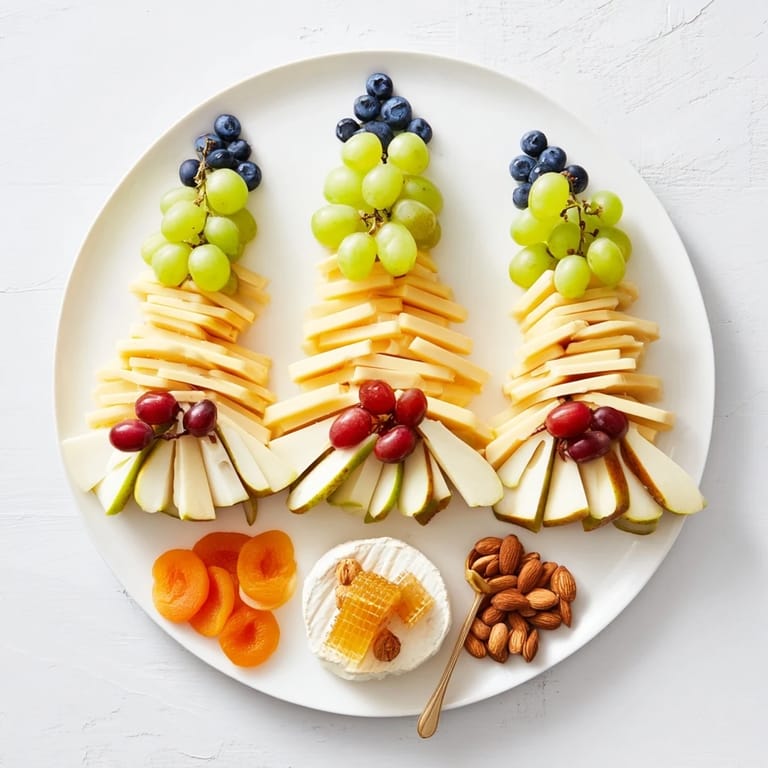
Save I stumbled onto the idea for this platter during a late-night conversation about 1920s design, when my friend mentioned how much she loved the geometric boldness of Art Deco buildings. That planted a seed: why not build a cheese platter that captured that same sense of drama and symmetry? The moment I arranged those first fanned cheese slices into an arch, I knew I'd found something special—it felt less like arranging food and more like constructing something that belonged in a museum.
The first time I assembled this for a dinner party, I was nervous—would the fans stay put, would it actually look like I intended, or would it just look like I'd scattered cheese randomly on a board? But as I overlapped those slices and they began to form these clean arches, something clicked. My guests arrived, saw it, and went completely quiet for a moment before someone said it reminded them of visiting the Chrysler Building. That's when I understood this wasn't just about cheese anymore.
Ingredients
- Aged cheddar, sliced thin (150 g): The backbone of your first arch—its sharpness cuts through richness and creates clean, dramatic lines when fanned.
- Gruyère, sliced thin (150 g): Nutty and golden, it forms the middle arch and adds visual warmth without overpowering the composition.
- Manchego, sliced thin (150 g): Its pale color balances the darker cheddar and adds a subtle sweetness that complements the fruit.
- Creamy brie, sliced into wedges (120 g): These anchor each arch at the base, providing a soft, luxurious foundation that guests reach for first.
- Blue cheese, cut into small triangles (100 g): The jewel tones and bold flavor crown each arch, evoking those pointed Art Deco spires.
- Seedless green and red grapes (2 small bunches): They nestle into the gaps between arches and add pops of color without competing for attention.
- Pear and apple, thinly sliced (1 small each): Slice these just before serving to keep them fresh and prevent browning that disrupts your clean lines.
- Roasted almonds and dried apricots (40 g each): These scattered moments of texture and warmth feel intentional, like details in an architectural plan.
- Honeycomb or good quality honey (40 g): A drizzle near the brie adds that final touch of elegance and a whisper of sweetness.
- Baguette slices and assorted crackers (1 baguette, 100 g crackers): Toast the baguette lightly if you want crunch; use a mix of textures so everyone finds their favorite vehicle for cheese.
Tired of Takeout? 🥡
Get 10 meals you can make faster than delivery arrives. Seriously.
One email. No spam. Unsubscribe anytime.
Instructions
- Build your first arch with aged cheddar:
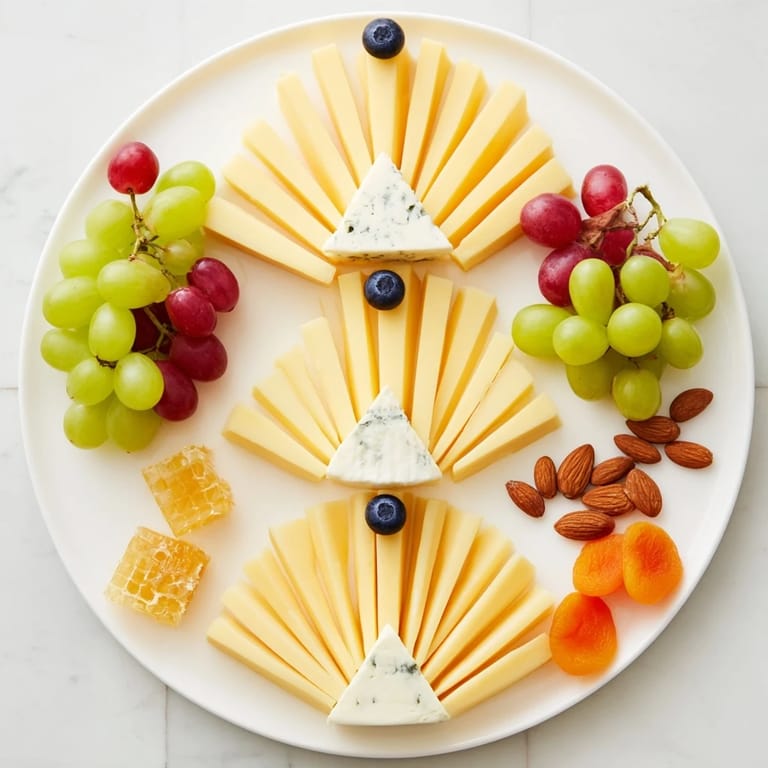
- Lay your slices at a slight angle, overlapping each one just enough so you can still see the sharp corners. Start from the outer edge of the platter and work inward, creating a graceful curve that feels intentional, not accidental.
- Add the Gruyère middle arch:
- Mirror the cheddar's angle and spacing, nestling it beside or slightly above the first arch. This is where you start to see the rhythm—two arches creating visual momentum.
- Complete the pattern with Manchego:
- Your third arch should feel like the natural conclusion, lighter in color to create depth. Step back and admire the symmetry you've built.
- Anchor each arch with brie wedges:
- Place these at the base of all three arches, creating that architectural foundation. The soft cream color grounds everything and invites the first bite.
- Crown with blue cheese triangles:
- Position these at the top-center of each arch, letting their veining show. They're the punctuation mark that finishes the design.
- Fill the gaps with grapes and fruit:
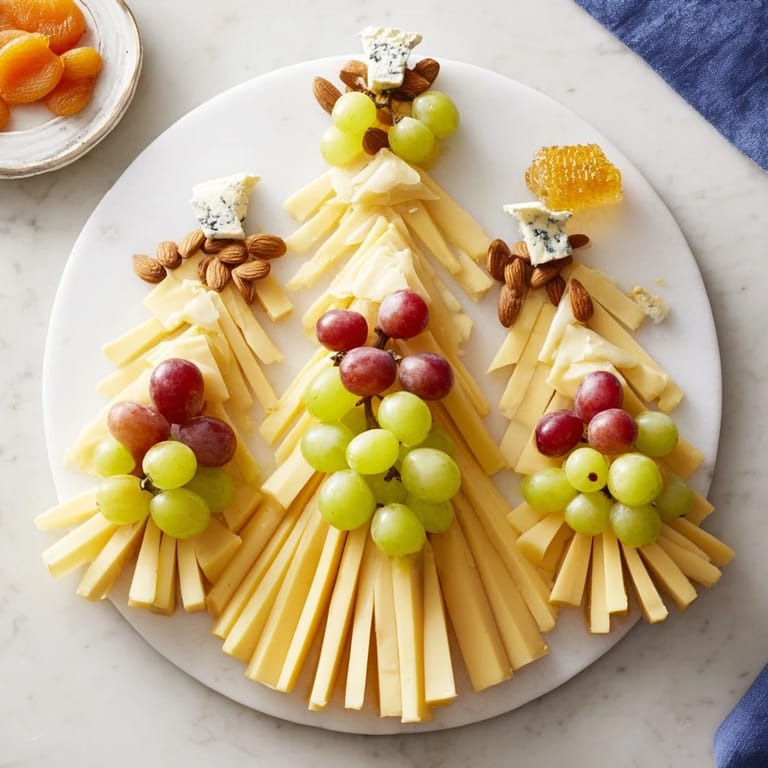
- Tuck bunches of grapes into the spaces between arches and arrange your apple and pear slices so they catch the light. This step transforms the geometric precision into something alive and colorful.
- Scatter almonds and apricots artistically:
- Rather than creating neat piles, distribute them so they feel like they belong—little warm accents between the cool geometry of the cheese.
- Finish with honey and arrange your crackers:
- Drizzle honey near the brie (a small spoon alongside makes serving easier), then nestle your baguette slices and crackers along the platter's edges where they're accessible without disrupting the design.
 Save
Save What surprised me most was how this platter became a conversation starter, but not about the food itself. People saw those geometric arches and started talking about buildings they loved, about design, about the 1920s and what it meant to make something both beautiful and functional. The cheese was delicious, but the platter had somehow become a bridge between aesthetics and appetite.
Choosing Your Cheeses Wisely
The beauty of this design is that it doesn't lock you into these specific cheeses—it's more about understanding how they interact with the architecture you're creating. Aged Comté, aged Gouda, or Emmental can stand in for any of the sliced varieties, and the platter will still sing as long as you maintain contrast in color and flavor. What matters is that each cheese has enough personality to hold its own in the composition without overwhelming the others. I've experimented with different combinations, and the one consistent rule is: choose cheeses that slice cleanly and hold their shape, because that's what makes the fans actually look like fans.
Timing and Temperature Considerations
One of the sneaky advantages of this platter is its flexibility—you can build it up to an hour ahead and let it chill, which actually helps the cheese slices stay crisp and the whole thing maintain its shape under the weight of observation and anticipation. Cold cheese is more cooperative than warm cheese, and it also stays fresher longer once guests start snacking. If you're building it at the last minute, work quickly and confidently; hesitation shows in the arrangement. I've learned to set everything out and practice the layout mentally before I commit to placement, which sounds fussy but actually saves time and prevents the frustration of rearranging.
Making It Truly Yours
The Art Deco concept is just a framework—what makes this platter special is when you bring your own energy to it, whether that's swapping in cheeses you've discovered, using local honey, or adjusting the fruit to what's in season. I've made versions with figs instead of apricots, added candied walnuts instead of roasted almonds, and once even incorporated thin slices of prosciutto for a touch of smoke and salt. The architecture stays the same, but the conversation it sparks changes with every ingredient you choose.
- Don't be afraid to experiment with crackers—seeded, multigrain, or herb varieties can add unexpected depth.
- Fresh flowers tucked between the arches (roses, small dahlias, or herbs like rosemary sprigs) elevate the design without cluttering it.
- If you're serving this at a formal event, a small handwritten card explaining the Art Deco inspiration adds that final thoughtful touch.
 Save
Save Every time I build this platter, I'm reminded that the most elegant entertaining doesn't require complicated cooking—it requires intention and a willingness to make something beautiful just because you can. Serve this with chilled Champagne or a crisp Riesling, and watch it become the moment people remember from your gathering.