 Save
Save I'll never forget the first time I created a Vineyard Grape Cluster Drop for a wine-tasting evening at my friend's place. I was nervous about bringing something special enough to impress her wine-collector friends, so I decided to make an appetizer that was both edible and visually stunning. As I arranged those cascading grapes into a teardrop shape, watching them tumble down the platter like a miniature vineyard, I realized I'd stumbled onto something magical—a dish that made people pause, smile, and reach for their cameras before their forks. It became the moment everyone remembered, the centerpiece that started conversations, and proof that the most memorable food isn't always complicated.
I remember my aunt watching me arrange the grapes for a family gathering, skeptical at first because she'd never seen food presented quite this way. By the time guests started arriving, she was standing over the platter with her phone, documenting every angle. When the first person picked a grape and took a photo, something shifted—this wasn't just appetizer anymore, it was an experience. That's when I understood the real power of this recipe: it transforms simple, everyday grapes into something people want to celebrate and share.
Ingredients
- 600 g seedless green grapes: These are your foundation—sweet, crisp, and the color that makes the arrangement visually pop. I learned to always buy them a day ahead so they have time to chill and become extra firm, which makes them hold their shape beautifully on the platter.
- 600 g seedless red or black grapes: The deeper color creates that dramatic contrast that makes this dish a real eye-catcher. The mix of colors is what transforms a simple pile of fruit into something that looks like it belongs in a gallery.
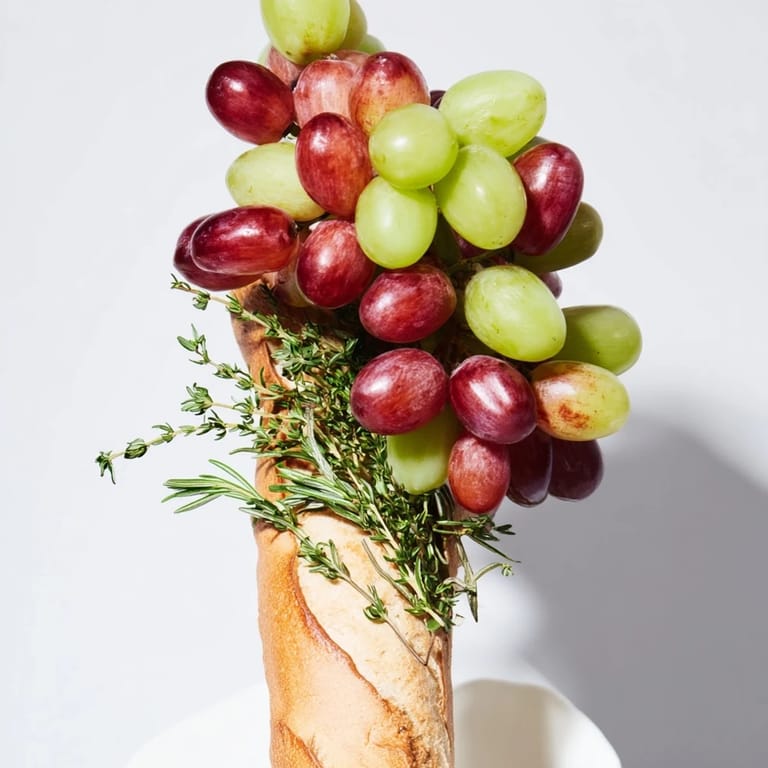
- 1 rustic baguette or 10–12 thin breadsticks: This becomes your grapevine stem, and the bread's earthy color and texture ground the whole presentation. I prefer cutting a baguette at an angle because it catches the light and looks intentional, like you've carefully crafted something special.
- 150 g thin salami sticks (optional stem alternative): If you go this route, you're adding a salty, savory dimension that guests genuinely appreciate. The salami creates little flavor moments between bites of sweet grapes, and honestly, it feels more sophisticated.
- Fresh herbs like thyme, rosemary, or grape leaves: These aren't just decoration—they add aroma and authenticity. When guests lean in to grab a grape, they catch that herbaceous scent and suddenly feel like they're picking from an actual vineyard.
Tired of Takeout? 🥡
Get 10 meals you can make faster than delivery arrives. Seriously.
One email. No spam. Unsubscribe anytime.
Instructions
- Prepare your grapes with care:
- Wash each bunch gently under cool water and pat them completely dry with a clean kitchen towel. Any moisture will make them slip around on the platter, and you want them stable. Remove most grapes from their stems, but here's the trick—keep a few small clusters of 3–5 grapes still attached. Those little natural bunches scattered throughout give the whole arrangement an organic, "fresh from the vineyard" look that loose grapes alone can't achieve.
- Build your cascade:
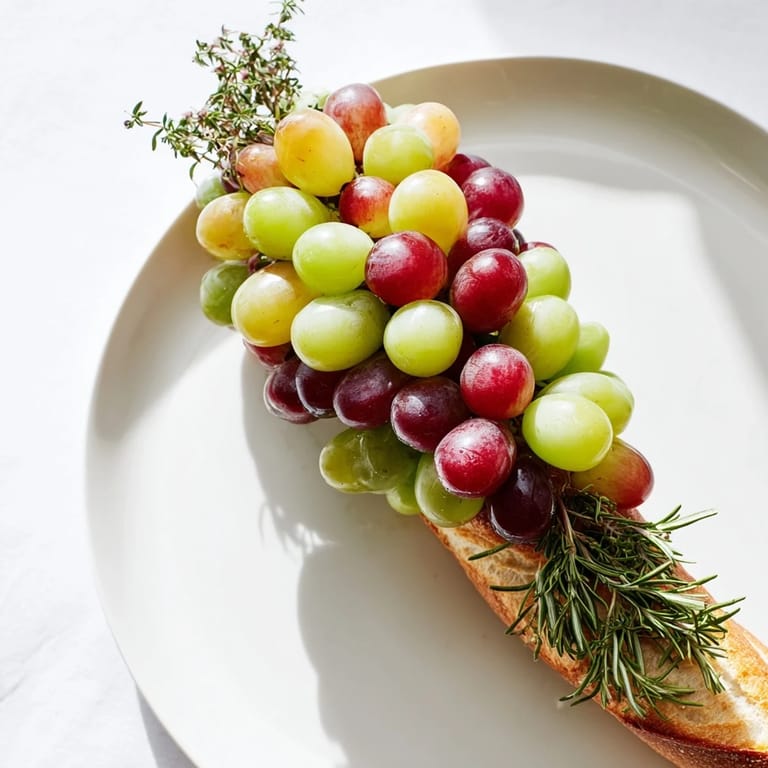
- On your largest platter or wooden board, imagine a teardrop shape pointing downward. Start at the wide bottom and begin placing grape clusters tightly together, working upward. Think of it like building a mosaic—you're filling in gaps and creating layers. The grapes should be touching, creating that sense of abundance and flow. Step back often to check your proportions; you want it to look like nature arranged it, not a rigid pyramid.
- Add your vineyard stem:
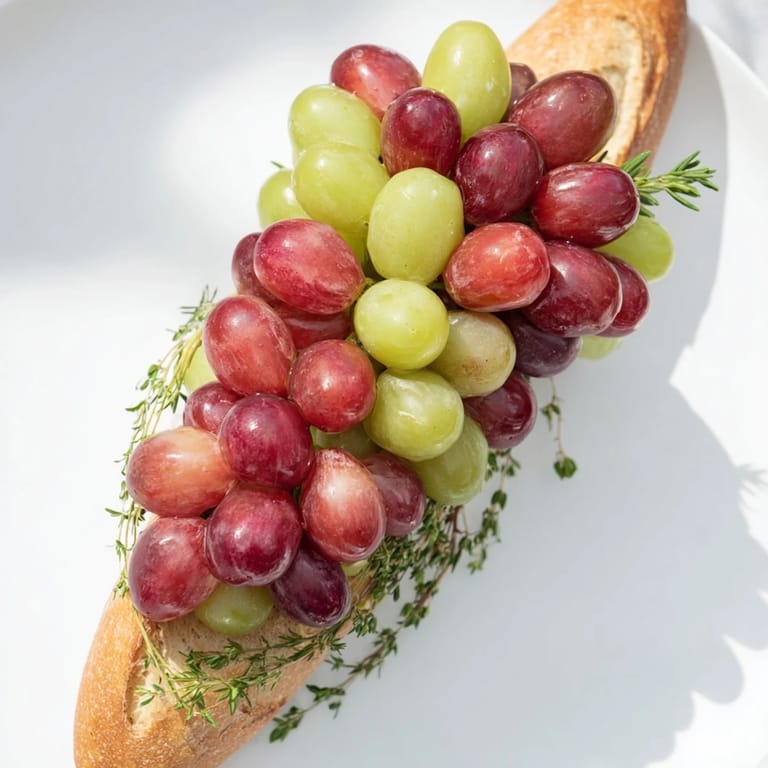
- At the narrow top of your grape cluster, position your bread or salami. If you're using a baguette, angle it slightly for visual interest—a perfect vertical cut looks too formal. If you're using breadsticks or salami, lean them together in a loose bundle, like they're emerging from the grapes. This is where the magic happens: the stem transforms your fruit into a recognizable grapevine shape.
- Tuck and garnish:
- Gently weave fresh herb sprigs or real grape leaves around the base where the stem meets the grapes. This adds color dimension, makes the whole thing feel more alive, and honestly, it hides any awkward gaps in your arrangement. A sprig of rosemary or thyme tucked here and there makes it look effortlessly elegant.
- Present with confidence:
- Serve immediately on your platter—this is a piece of edible art. Place it where guests can easily reach grapes and bread pieces without destabilizing the whole arrangement. The beauty of this dish is that it gets better as people eat it, revealing new layers and creating natural conversation as everyone takes their piece.
 Save
Save What struck me most about this recipe wasn't just the visual impact—it was watching strangers at a party become friends over a shared moment of "Wow, did you make this?" Suddenly, my simple arrangement of grapes became a conversation starter, a reason for people to linger at the appetizer table, to connect. That's when I realized that food isn't always about taste; sometimes it's about creating memory anchors, those special moments people talk about long after the grapes are gone.
Pairing This with Drinks and Other Foods
The beauty of this appetizer is its flexibility in any gathering. Serve it with a crisp white wine or sparkling rosé—the acidity and bubbles cut through the grapes' sweetness perfectly. If you've chosen the salami stem version, you've already introduced savory notes, so guests get that lovely sweet-salty dynamic. I've found it works gorgeously alongside soft cheeses like brie or fresh goat cheese, crusty bread for spreading, and cured meats. The grapes refresh the palate between rich bites, making everyone eat more slowly and enjoy the experience longer. It's the kind of centerpiece that makes a casual gathering feel intentional and thoughtful.
Why This Works for Any Occasion
I've made this for casual family dinners, formal wine tastings, bridal showers, and impromptu dinner parties. What amazes me every time is how the difficulty level never changes—it's always easy—but the impact always feels personal and curated. That's the secret of this recipe: it looks like you spent hours planning and arranging, when really you spent twenty minutes. People feel valued and special when you've made this kind of effort for them, even if the effort is more artistic than culinary. It's proof that presentation and thoughtfulness can mean as much as technique.
Customizing Your Cluster
One of the most fun parts of making this recipe is how adaptable it is to your preferences and dietary needs. I've made gluten-free versions using certified gluten-free breadsticks, and honestly, no one noticed the difference. I've also experimented with adding small cubes of aged cheddar or gouda nestled between grapes, creating little flavor surprises. Toasted nuts—almonds, walnuts, or pecans—add crunch and sophistication. For a more dramatic presentation, alternate rows of red and green grapes to create a striped effect, or even add purple grapes if you can find them. The framework stays the same, but your personal touches make it uniquely yours.
- Keep extra grapes chilled separately so you can refill the platter as guests graze—it maintains the full, lush look throughout the event.
- If you're transporting this to a party, arrange it on a platter with a lid or cover, and only add the herb garnish right before serving for the freshest aroma.
- Remember that this appetizer is best served at room temperature for grapes (unless it's summer, then keep it cool), which means you can prepare it an hour or two before guests arrive.
 Save
Save This recipe taught me that sometimes the most memorable dishes aren't complex—they're the ones made with intention and a touch of creativity. Every time I make it, I remember why I love cooking for people: it's about those moments when food becomes more than nourishment, it becomes joy.
Cooking Questions
- → How do I keep the grape clusters looking fresh?
Wash and thoroughly dry grapes to prevent moisture. Assemble just before serving to maintain appearance and freshness.
- → Can I use other types of bread for the stem?
Yes, rustic baguettes or thin breadsticks work well to mimic the grapevine stem and add texture.
- → Is it possible to make this appetizer gluten-free?
Use gluten-free breadsticks or opt for salami sticks instead of bread for a gluten-free version.
- → What herbs complement the grape cluster presentation?
Fresh thyme, rosemary, or grape leaves enhance aroma and add a natural, rustic look around the cluster.
- → How can I add more variety to the cluster?
Intersperse cubes of cheese or nuts among the grapes for additional texture and flavor contrasts.