 Save
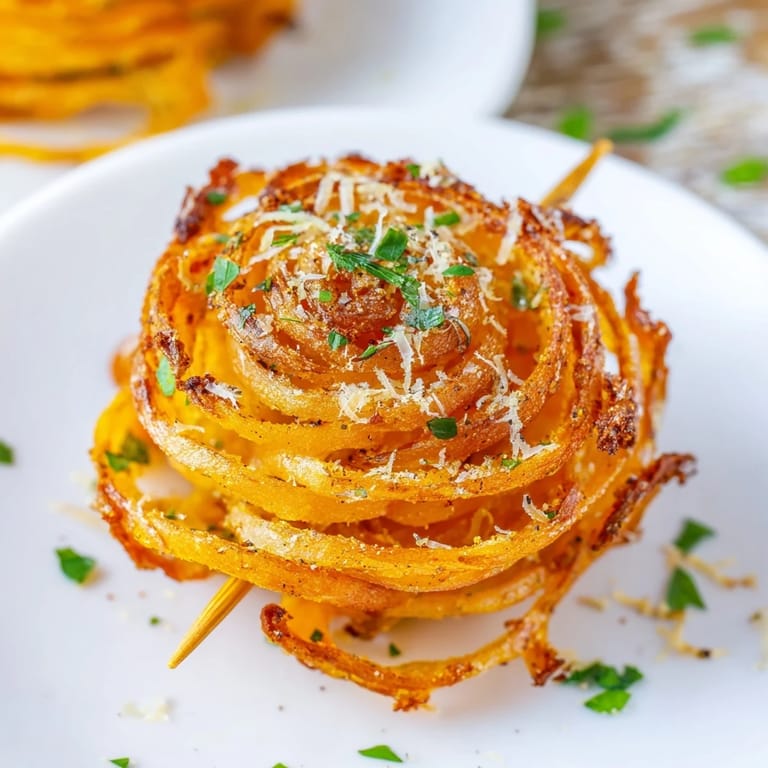
Save I discovered tornado potatoes completely by accident at a street food festival, watching a vendor spiral potatoes on skewers like they were performing magic. The golden, crispy result was impossible to resist, and I spent the rest of the evening trying to figure out how to recreate that moment at home. After a few attempts and some very patient spiraling, I cracked the code—and now these are the snack I make whenever I need something that feels both impressive and deeply satisfying. There's something about the theatrical presentation that makes even a simple roasted potato feel special.
I made these for my brother's game night, nervous about whether spiralizing would actually work or if I'd just have mushy potato disasters on skewers. When they came out of the oven, bronzed and perfectly crispy, the whole room went quiet for exactly three seconds before everyone grabbed one. That moment—watching people genuinely excited about potatoes I'd made—is when I realized this recipe deserved a permanent spot in my rotation.
Ingredients
- Russet potatoes: Medium-sized ones work best because they're starchy enough to get genuinely crispy while staying tender at the core—smaller potatoes cook too fast and dry out.
- Olive oil: Use good quality here; it's the main flavor carrier and directly impacts the golden color and taste.
- Smoked paprika: This is the flavor anchor that makes them taste like they were cooked over an open flame, not just in your oven.
- Garlic and onion powder: Together they create depth without adding moisture, which is crucial for crispiness.
- Lemon juice: A smart prevention trick to keep the spiralized potatoes from oxidizing and turning gray before they hit the oven.
- Parmesan and parsley: Optional but honestly, they transform these from snack to showstopper—add them right after baking while everything's still warm.
Tired of Takeout? 🥡
Get 10 meals you can make faster than delivery arrives. Seriously.
One email. No spam. Unsubscribe anytime.
Instructions
- Get Your Station Ready:
- Preheat your oven to 400°F and line a baking sheet with parchment paper. Having everything prepared before you touch the potatoes prevents them from sitting around and browning.
- Wash and Skewer:
- Scrub the potatoes under cold water, pat completely dry, then push a wooden skewer lengthwise through the center of each one. The drier they are, the crispier they'll become.
- Create the Spiral:
- With a sharp knife, cut into the potato at a slight angle and rotate as you slice, creating a continuous spiral. Go slowly at first—you'll get faster once you feel the rhythm of the rotation.
- Prevent Browning (If You Want):
- Drop the spiralized potatoes into lemon juice water for 5 minutes if you're worried about oxidation, then drain and pat dry thoroughly. Moisture is the enemy of crispiness.
- Make Your Oil Coating:
- Whisk together olive oil with all the seasonings in a small bowl, making sure everything is evenly distributed. Taste it with your finger—you want it to be boldly flavored because the potato is mild.
- Coat Generously:
- Use a pastry brush to coat every surface of each spiral, getting into the crevices. Don't be shy here; good seasoning makes the difference between good and unforgettable.
- Position for Even Cooking:
- Place the skewered potatoes on the baking sheet so they're elevated and not touching the tray directly—rest the ends on the edges if you have to. This allows air to circulate underneath for maximum crispiness.
- Bake and Turn:
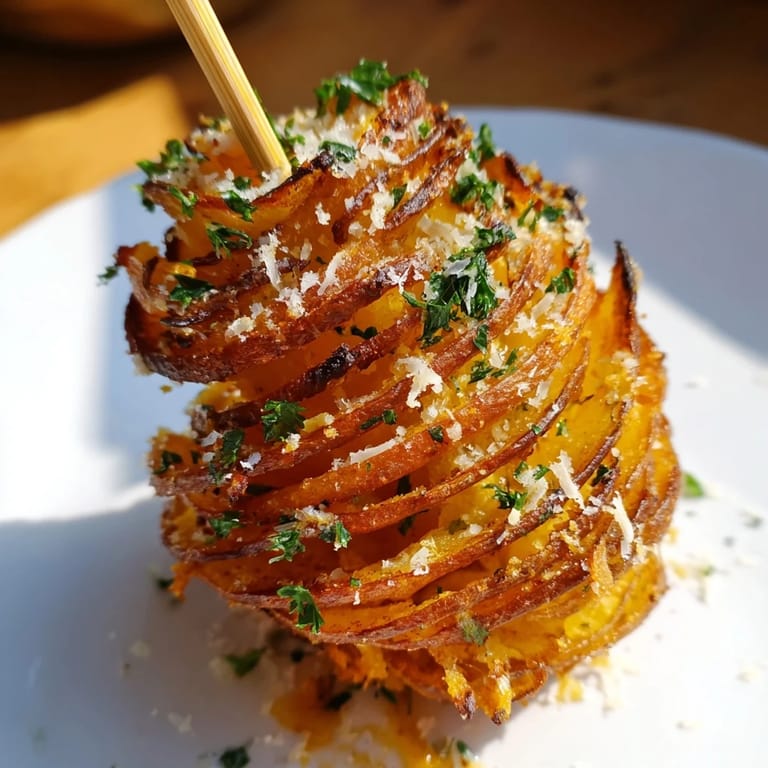
- Bake for 25 to 30 minutes, turning everything halfway through so each side gets equal time with the heat. They're done when deeply golden and the edges are curled and crispy.
- Finish Strong:
- If you want extra crispiness, blast them under the broiler for 2 minutes, but watch carefully because they'll go from golden to burnt faster than you'd think.
- Garnish and Serve:
- While everything's still hot, sprinkle with Parmesan and fresh parsley if using. Serve immediately because they're best eaten the moment they come out of the oven.
 Save
Save My favorite memory with these isn't actually cooking them—it's watching my mom take a bite and immediately ask if she could take half of them home, then standing in my kitchen for an hour just talking while we snacked on them straight from the pan. That's when I knew this recipe had that intangible quality where the food is almost secondary to the moment it creates.
Why Spiralizing Makes Sense Here
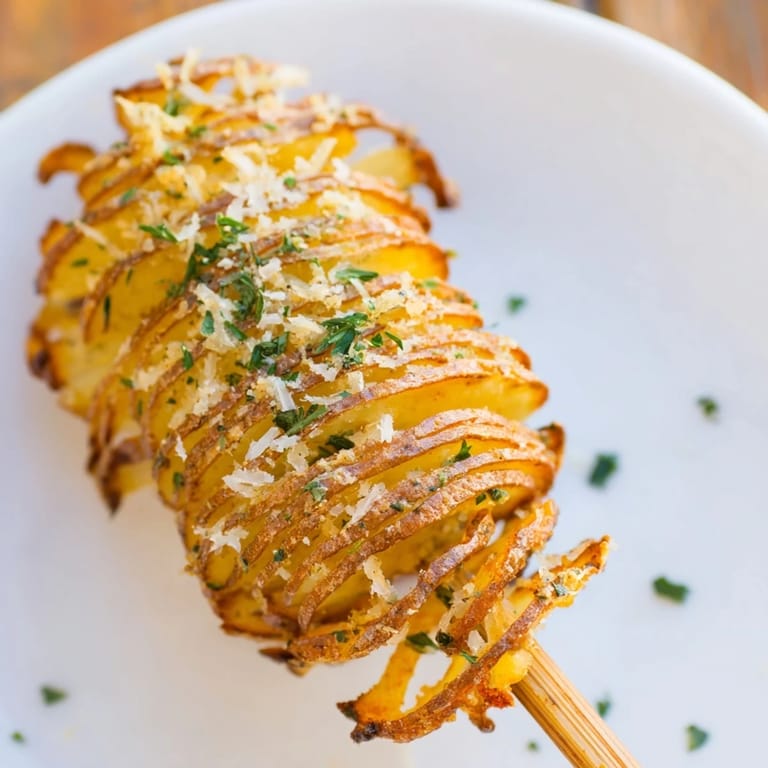
The spiral isn't just for show—it actually increases the surface area dramatically, which means more exposed potato getting crispy and more spots for the seasoning to cling to. Every rotation of the knife creates a natural ridge that crisps up beautifully, and the spacing in the spiral lets hot air reach every layer. It's the kind of technique where function and presentation completely align.
Flavor Combinations That Work
Once you nail the basic version, you'll realize this is a blank canvas for whatever direction your taste buds lean. Italian seasoning with extra garlic and a sprinkle of red pepper flakes becomes something completely different, or go full Cajun with paprika, cayenne, and oregano. I've made a curry version with garam masala and turmeric that tastes like a completely different dish, and a simple everything bagel seasoning version that disappeared in minutes at a potluck.
- Cajun seasoning with a squeeze of lime juice after cooking adds heat and brightness that feels summery.
- Truffle oil brushed on after baking feels fancy but honestly takes zero extra effort.
- Fresh herb variations like rosemary or thyme mixed into the oil coating change the entire personality of the dish.
What to Serve Them With
These are good enough to eat plain, but they become genuinely memorable with the right dip. Sour cream mixed with fresh dill and lemon zest works for those moments when you want something cool and herbaceous, while a garlicky aioli makes them taste like they belong at a tapas bar. I've also had success with a spicy sriracha mayo and a simple ranch when the goal is just to let people enjoy them however they want.
Making Them Ahead
You can spiralize potatoes a few hours ahead and keep them in lemon juice water in the fridge, then proceed with seasoning and cooking whenever you're ready. They won't be quite as crispy as cooking them immediately, but they're still excellent and the time saved is real. I wouldn't recommend making them more than a few hours ahead because they do start to lose their texture once they've cooled completely, but they're still worth reheating gently in a 350°F oven if you've already made them.
- Air fryer versions cook faster at 375°F for about 18 to 20 minutes and come out incredibly crispy with less oil.
- Broiler finishing for 2 minutes gives extra crispiness but requires attention so they don't char.
- Leftover potatoes are best eaten fresh, but honestly, they never last long enough to become leftovers in my house.
 Save
Save These potatoes became my go-to when I need something that bridges the gap between effort and impact, that looks beautiful without requiring culinary school. They've earned a permanent place in my cooking rotation, and I think they will in yours too.
Cooking Questions
- → How do you create the spiral shape on potatoes?
Insert a wooden skewer lengthwise through the potato, then carefully cut around the potato in a spiral motion while rotating it, creating an even and continuous spiral.
- → What seasonings enhance the flavor of these potatoes?
A combination of garlic powder, smoked paprika, onion powder, chili powder, salt, and black pepper provides a balanced, savory, and mildly smoky taste.
- → Can these be made gluten-free?
Yes, as long as all seasonings used are certified gluten-free, this dish naturally remains gluten-free.
- → What’s the best way to ensure extra crispiness?
For added crispiness, finish the potatoes under the broiler for 2 minutes or use an air fryer set to 375°F (190°C) for 18–20 minutes.
- → Are there any garnish suggestions?
Grated Parmesan cheese and freshly chopped parsley add rich and fresh notes, complementing the potatoes well.