 Save
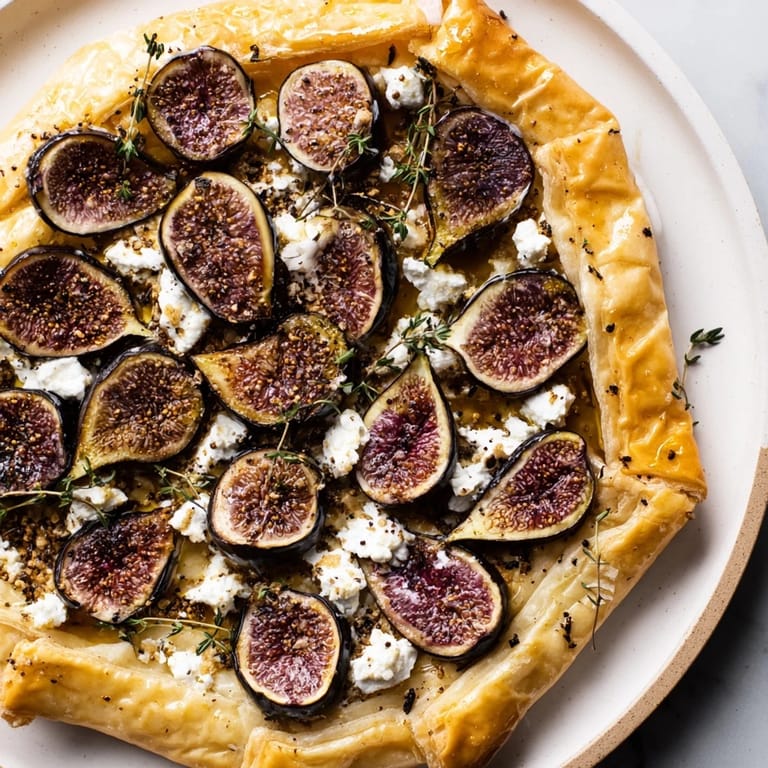
Save There's something about the smell of puff pastry crisping in the oven that makes even a casual weeknight feel special. I discovered this pizza quite by accident—I had a sheet of thawed pastry sitting on my counter, some figs from the farmers market that were getting too ripe, and a bottle of truffle oil a friend had gifted me. Instead of making something ordinary, I layered them all together, and thirty minutes later, I had something that tasted far more impressive than the effort required. It's become my go-to move when people are coming over and I want them to think I spent all day in the kitchen.
I made this for a dinner party last fall, and my friend Sarah—who's usually skeptical about anything "fancy"—actually asked for the recipe before dessert was even served. That moment of watching someone's face light up when they tasted the combination of warm honey and earthy truffle oil made me realize this wasn't just appetizer material; it was a showstopper disguised as something simple.
Ingredients
- Puff Pastry (1 sheet, thawed): The foundation everything rests on—make sure you thaw it at room temperature so it's pliable but still cold, which is the secret to that shattering golden exterior.
- Fresh Figs (4–5, sliced): Buy them the day you cook if possible; they should yield slightly to pressure but not be mushy, as they'll soften more in the oven.
- Goat Cheese (120 g, crumbled): Its tanginess cuts through the richness of the pastry and plays beautifully against the sweetness of figs and honey.
- Truffle Oil (1 tbsp): This is where the magic lives—use a good quality oil and save the second half for drizzling warm from the oven so the aroma hits you first.
- Honey (2 tbsp): Adds a luxurious sweetness that bridges all the flavors, but wait until after baking to drizzle so it doesn't burn.
- Fresh Thyme (1 tbsp, optional): If you have it, those tiny leaves add an earthy whisper that elevates the whole dish.
- Olive Oil (1 tbsp): A light brush before toppings helps the pastry brown evenly and crisp beautifully.
- Sea Salt & Black Pepper: Season generously but not heavily; the cheese and honey already bring plenty of flavor.
Tired of Takeout? 🥡
Get 10 meals you can make faster than delivery arrives. Seriously.
One email. No spam. Unsubscribe anytime.
Instructions
- Set the Stage:
- Preheat your oven to 200°C and line your baking sheet with parchment paper—this prevents sticking and makes cleanup effortless. If your kitchen feels cold, let the pastry warm slightly on the counter so it's easier to work with.
- Prepare the Pastry:
- Lay the puff pastry on the prepared sheet and use a knife to score a light border about 1 cm from the edges, cutting only partway through so the edges puff up dramatically. This technique is what separates a homemade-looking pizza from a bakery-quality one.
- Brush and Layer:
- Use a pastry brush to lightly coat the entire surface (except the border) with olive oil—you want just enough to help browning, not so much it gets soggy. This is where restraint matters.
- Arrange the Toppings:
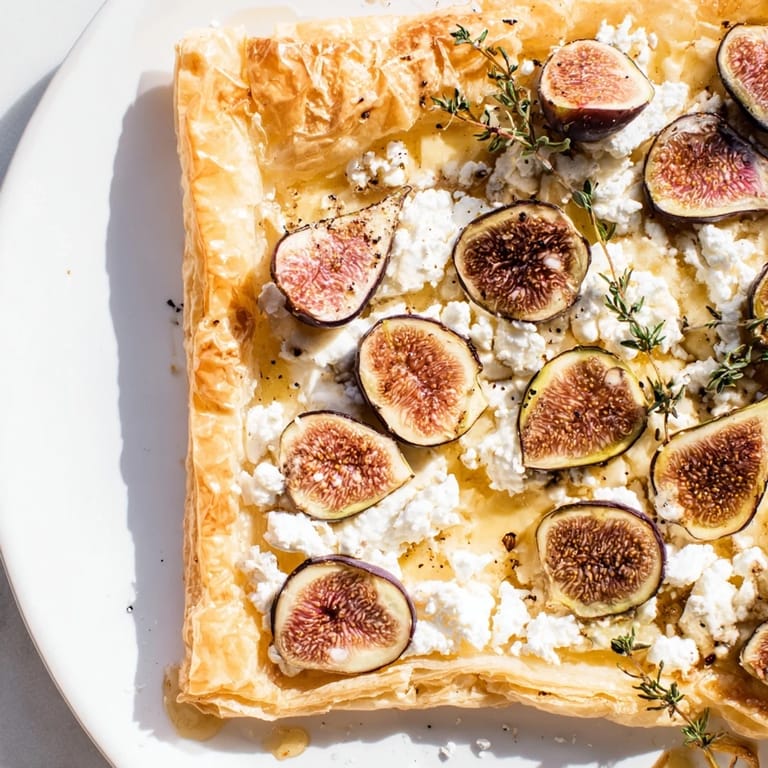
- Scatter your fig slices across the pastry in a natural, casual way—this isn't about perfection, it's about balance. Then crumble the goat cheese over and around the figs, letting some pieces nestle into the cracks.
- Season and Drizzle:
- Sprinkle thyme leaves if you're using them, then drizzle half the truffle oil over everything in a thin, artistic line. Add a pinch of sea salt and a small grind of black pepper—trust that the heat will amplify these flavors.
- Bake:
- Slide into the oven and bake for 18–20 minutes until the pastry edges are deeply golden and the center is puffed and crispy. You'll know it's ready when you hear the faint crackle as the pastry firms up.
- Finish with Warmth:
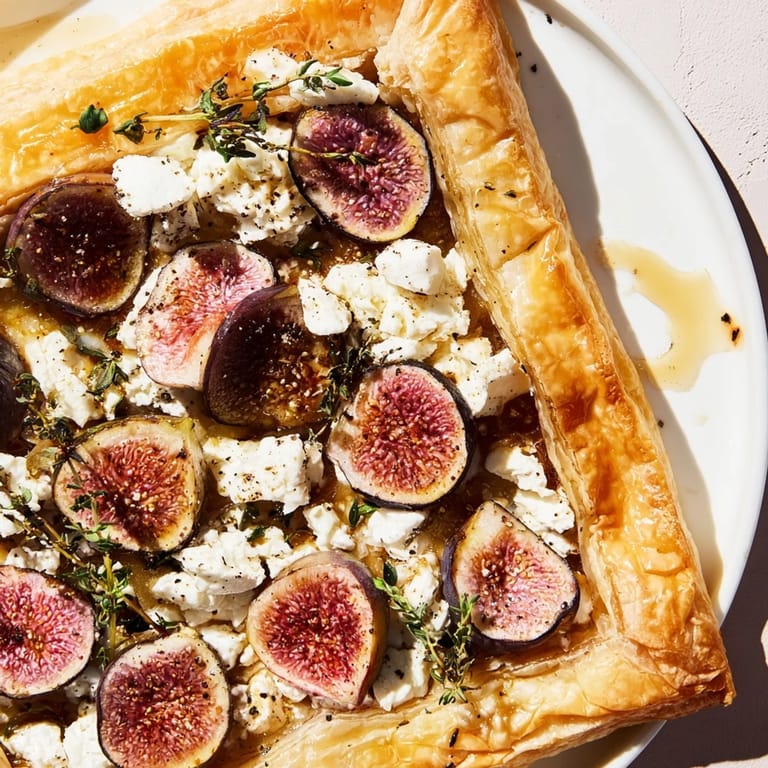
- Remove from the oven and immediately drizzle with the remaining truffle oil and honey while everything is still warm—the heat brings out the fragrance of the truffle and helps the honey soak in slightly. Serve right away so the pastry stays at its crispiest.
 Save
Save What really got me about this dish was the moment my eight-year-old nephew tried it and said it tasted "fancy and like dessert at the same time." That's exactly what makes it special—it lives in this beautiful middle ground where no one can quite pin down whether they're eating an appetizer, a savory course, or a sophisticated bite of something almost sweet. That ambiguity is part of its charm.
Flavor Balance: The Sweet and Savory Dance
The genius of this pizza is how each ingredient has a job. The goat cheese brings a sharp, slightly tangy note that would be overwhelming on its own, but the figs soften that edge with their natural sweetness. Then the honey and truffle oil arrive at the end like a finishing act, pulling everything together. I learned this through trial and error—I once forgot the honey step and realized the dish needed that final warmth and sweetness to feel complete. Now I think of the assembly like a conversation where everyone gets heard.
Making It Your Own
While this recipe is delicious as written, I've learned that the foundation (pastry, goat cheese, heat) is sturdy enough to support your own ideas. A friend swapped the figs for roasted grapes one autumn and it was equally stunning. Someone else added crispy prosciutto before the toppings, which added a salty contrast that was brilliant. The beauty of this dish is that you can make it exactly as it is, or you can let it become something that reflects what's in your kitchen and what you're craving.
- Red onions thinly sliced and caramelized for 15 minutes add a deep sweetness that's a lovely alternative to or alongside figs.
- A handful of fresh arugula tossed with lemon juice scattered on top right before serving brings a peppery brightness that cuts through the richness.
- Crumbled walnuts or pine nuts toasted beforehand add a textural crunch that keeps things interesting.
Serving and Pairing
I serve this straight from the oven, often cutting it into four equal squares for a plated appetizer feel, or into irregular pieces for a more casual grazing moment. A crisp Sauvignon Blanc is my go-to pairing—the acidity refreshes your palate after each rich, savory bite. If you prefer something sparkling, a dry prosecco or champagne does the same thing beautifully, plus it adds a celebratory mood to whatever moment you're sharing with people you care about.
 Save
Save This recipe sits somewhere between appetizer and indulgence, between effort and ease, which is probably why it's stayed in my rotation for the past few years. Every time I make it, I'm reminded that some of the best dishes are the ones that look like they took hours but actually just required good ingredients and a little attention to detail.
Cooking Questions
- → How do I prevent the puff pastry from getting soggy?
Make sure to brush the pastry with olive oil and score the edges to create a barrier. Baking at the right temperature helps keep it crisp.
- → Can I use frozen puff pastry for this dish?
Yes, just thaw it fully before rolling out to ensure even baking and a flaky texture.
- → What can I substitute for goat cheese?
Blue cheese or ricotta can provide different flavor profiles, offering either a bolder or milder taste.
- → Is it necessary to use truffle oil?
While truffle oil adds a unique aroma, you can omit or replace it with a drizzle of good olive oil for a different but still delicious flavor.
- → How should I serve this puff pastry creation?
Serve warm, sliced into portions. It pairs beautifully with crisp white wines or sparkling options for an elegant touch.