 Save
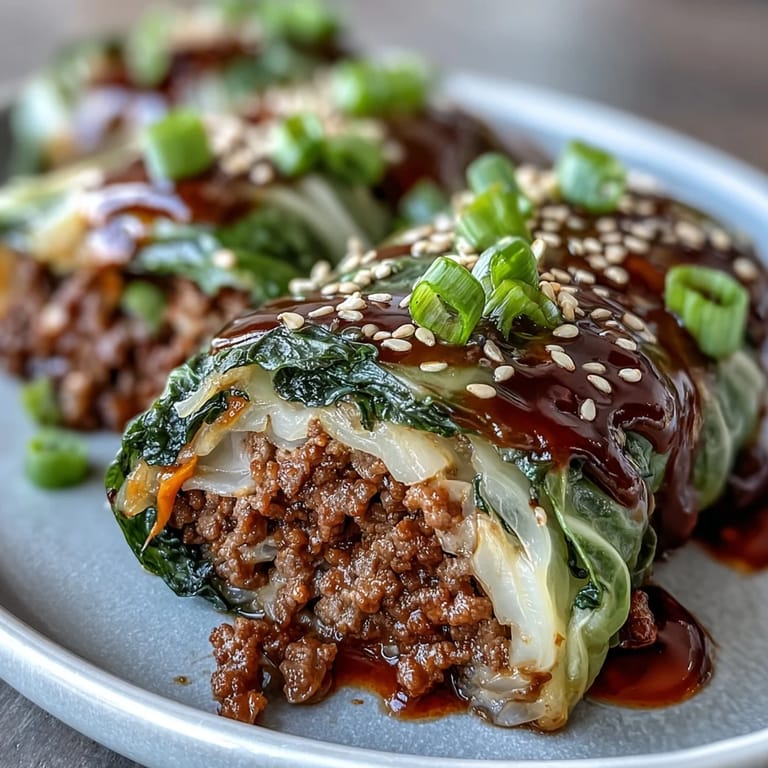
Save One evening, a clumsy thud echoed from my kitchen as I dropped a bundle of Napa cabbage onto the counter, startling my cat and making me laugh out loud. The truth is, I'd been lured by the bright pile at the market, but wondered if I could pull off Korean cabbage rolls without making a mess of my kitchen. Something about the spicy-sweet aroma of gochujang mingling with sesame felt bold but inviting. The first time I tried, I ended up with slightly lopsided bundles—but I quickly discovered that a gentle hand and patience make for the best rolls. Now, they're a confidence boost wrapped in cabbage leaves.
One late winter night, I made these for a small group of friends. Toasty from the kitchen steam, we wrestled chopsticks for the last morsel—amid laughter, someone confessed they never liked cabbage until that night, and the moment turned into a small victory.
Ingredients
- Napa cabbage: Pick leaves without tears; blanching makes them rollable without breaking.
- Ground beef: Provides rich flavor and substance—lean beef works best for tidy rolls.
- Green onions: Slice thin for even flavor, and save some tops for garnish if you like a pop of color.
- Garlic: Mince fresh for a deeper taste; jarred garlic loses its punch in this dish.
- Carrot: Grate finely—the sweetness balances the heat and keeps the filling juicy.
- Fresh ginger: Brightens the filling, so use a microplane for a fine, even zest.
- Gochujang: This fermented chili paste gives the dish its signature warmth; start with a little and add to taste if unsure.
- Soy sauce: Deep, salty umami ties the filling together; low sodium is fine but don’t skip it.
- Sesame oil: Just a splash adds a nutty aroma—add at the end for maximal fragrance.
- Sugar: A hint rounds out the sauce and filling without making it sweet.
- Black pepper: Cracked fresh for subtle heat—don’t overdo it so you don’t mask the gochujang.
- Toasted sesame seeds: Press gently between your fingers before adding to release their full aroma.
- Soy sauce (for dipping): Brings salty complexity to the dipping sauce—choose a good-quality one.
- Rice vinegar: Adds brightness and balances the spice in the sauce.
- Gochugaru: Adds a gentle, fragrant heat—taste your chili flakes before using, as some are spicier than others.
- Sesame oil (for sauce): Smooths out the acidity and gives that finishing gloss to the dip.
- Honey: Just a drop rounds out the flavors and tames the vinegar in the sauce.
- Garlic (for sauce): Use fresh—in the sauce, you’ll notice the difference.
- Toasted sesame seeds (for sauce): Sprinkle on top for a nutty crunch and restaurant-worthy finish.
Tired of Takeout? 🥡
Get 10 meals you can make faster than delivery arrives. Seriously.
One email. No spam. Unsubscribe anytime.
Instructions
- Soften the cabbage:
- Bring a large pot of water to a boil, then gently dip in each leaf for a couple of minutes. When they turn bright and bend easily, give them a quick chill under cold water, then pat them dry on a kitchen towel.
- Prepare the filling:
- Mix ground beef, green onions, garlic, carrot, ginger, gochujang, soy sauce, sesame oil, sugar, black pepper, and sesame seeds in a bowl, using your hands for the most even texture—the filling should feel slightly sticky.
- Form the rolls:
- Lay a cabbage leaf flat on your board, scoop 2–3 tablespoons of filling near the base, fold in both sides, and roll tightly upwards. This is a moment for patience—don’t worry if the first one’s uneven, you’ll get the hang of it.
- Steam until tender:
- Nestle the rolls seam-side down in your steamer basket. Let them cook over simmering water for about 15–20 minutes, until fragrant steam rises and the rolls feel firm with a gentle poke.
- Mix the dipping sauce:
- Stir together soy sauce, rice vinegar, gochugaru, sesame oil, honey, minced garlic, and sesame seeds until the honey dissolves and the sauce shines.
- Serve and enjoy:
- Arrange the hot rolls on a platter, surround them with dipping sauce, and bask in the cloud of steam when you lift the lid—best eaten right away.
 Save
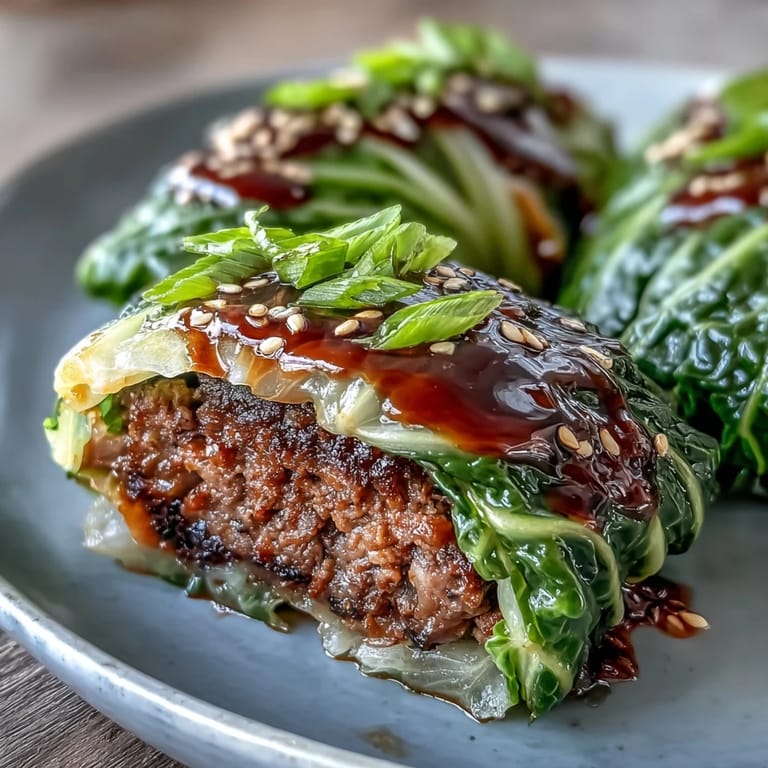
Save Watching everyone reach in for seconds, chopsticks clashing and a trickle of dipping sauce on someone’s chin, I realized this dish always makes the table feel just a little livelier—it’s truly food meant to share.
How to Steam Like a Pro
There’s an art to not overcrowding the steamer; each roll needs a bit of breathing room so the steam can swirl around them gently. I set a kitchen towel under the lid to catch drips, which keeps water from pooling on my precious rolls and turning them soggy.
Getting the Spice Just Right
The beauty of these cabbage rolls is you can adjust the level of kick to suit your table. Sometimes I divide the filling and make a few extra-mild ones for spice-shy eaters, marking them with a twist of carrot on top.
Serving Tips and Leftover Magic
If you have leftovers, tuck them into rice bowls for lunch the next day or slice and toss them into a quick stir-fry for a fresh spin—all the flavors deepen overnight.
- Reheat gently with a splash of water so they stay moist.
- Double the dipping sauce—trust me, you’ll want extra.
- Wipe the knife between cuts for tidy slices if serving as appetizers.
 Save
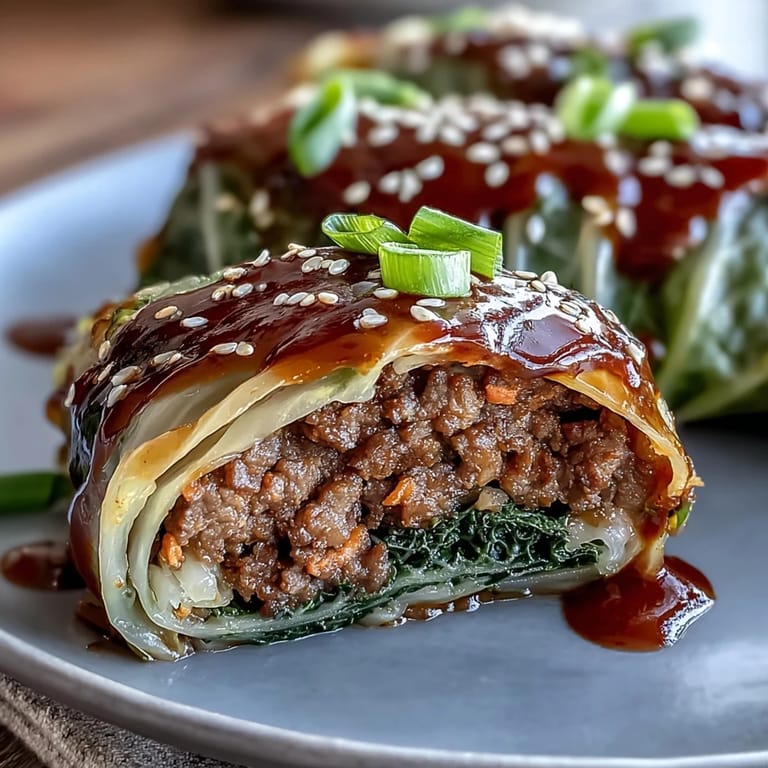
Save I hope these tender, flavor-packed rolls bring as much joy to your table as they have to mine. Try them once, and you just might find yourself making extra to share.
Cooking Questions
- → How do I soften the cabbage leaves without tearing them?
Bring a large pot of water to a rolling boil, separate leaves and blanch 1–2 minutes until pliable, then shock in cold water. Pat dry and trim thick central rib if needed to make rolling easier.
- → Can I use a different meat or make this without meat?
Yes. Ground pork or turkey works well. For a plant-forward option, use firm tofu crumbles or seasoned shiitake and cooked rice for texture and umami.
- → How do I control the heat level?
Reduce the gochujang and gochugaru amounts for milder heat, or replace gochujang with a lower-heat fermented chili paste. Add more honey or sugar to the dipping sauce to balance spice.
- → What is the best way to steam the rolls evenly?
Arrange rolls seam-side down in a single layer in a steamer basket over simmering water. Keep the lid closed and steam 15–20 minutes, checking that water doesn’t touch the basket to avoid sogginess.
- → How should leftovers be stored and reheated?
Cool completely, refrigerate in an airtight container for up to 3 days. Reheat gently by steaming for 5–8 minutes or microwaving covered with a damp paper towel to retain moisture.
- → Any tips for the dipping sauce to boost flavor?
Whisk soy sauce with rice vinegar, a touch of honey, sesame oil, minced garlic and gochugaru. Toasted sesame seeds and a splash of scallion oil brighten the sauce without overpowering the rolls.