 Save
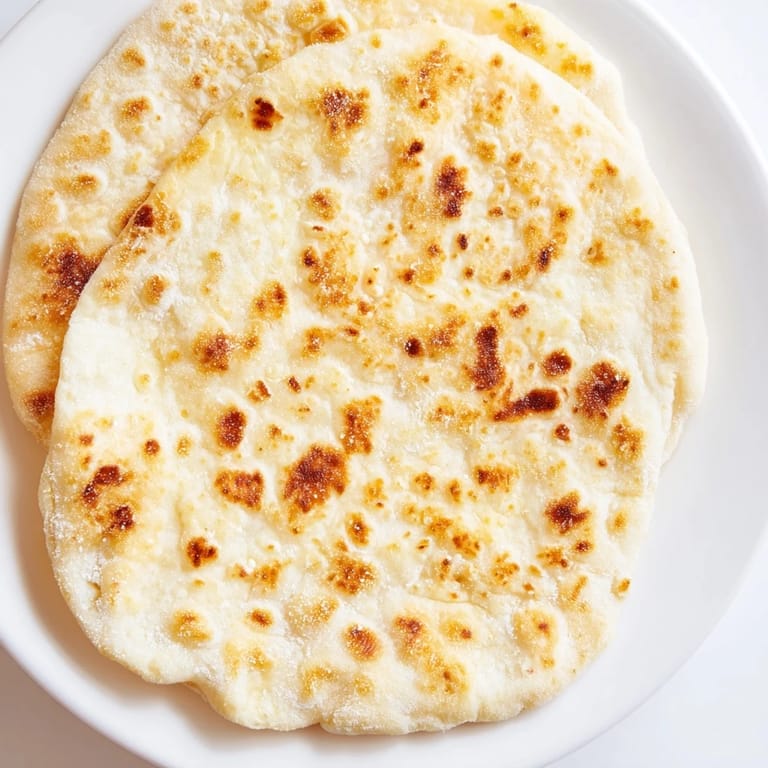
Save There's something almost meditative about watching flatbread puff slightly in a hot pan—that moment when the dough goes from pale to golden and the kitchen fills with toasty warmth. I stumbled onto cottage cheese flatbreads by accident one Tuesday evening when I had yogurt and cottage cheese taking up shelf space and decided to stop overthinking dinner. The result was so tender and subtly tangy that I've made them constantly since, and they've become my go-to when I want something homemade without the fuss of traditional bread.
I remember bringing a batch to a friend's place for lunch and watching her tear into one with butter and jam like she'd been waiting for it her whole life. That's when I realized these weren't just a quick dinner solution—they were the kind of bread people actually got excited about. She asked for the recipe before she'd even finished the first one.
Ingredients
- Plain flour (200g): This is your structure—it holds everything together without being heavy, and the amount is forgiving enough that a few extra pinches won't hurt.
- Greek yogurt (120g): Don't skip this or swap it for regular yogurt; the thickness and tang are what make these special and give them that tender texture.
- Cottage cheese (100g): This is the secret ingredient that keeps the flatbreads impossibly soft and adds a subtle earthiness you won't quite be able to name.
- Baking powder (1/2 tsp) and salt (1/2 tsp): A light hand with these is key—they're just there to help everything rise gently and taste right.
- Olive oil or butter (2 tbsp for cooking): Use whichever you have on hand; butter gives a richer flavor, but olive oil creates a slightly crisper edge.
Tired of Takeout? 🥡
Get 10 meals you can make faster than delivery arrives. Seriously.
One email. No spam. Unsubscribe anytime.
Instructions
- Mix your dry ingredients first:
- Combine flour, baking powder, and salt in a large bowl, breaking up any lumps in the flour with your fingers if needed. This prevents pockets of dry flour hiding in the dough later.
- Bring the wet ingredients in:
- Add yogurt and cottage cheese to the bowl and stir with a wooden spoon or your hands until you get a shaggy, rough dough that just barely comes together. It should look less like bread dough and more like a friendly mess at this stage.
- Knead gently to smooth:
- Turn the dough onto a lightly floured surface and knead for just 2–3 minutes with your palms, folding it over itself until it feels smooth and slightly elastic. If it's sticking annoyingly, dust with a tiny bit more flour, but don't overdo it—these benefit from staying slightly soft.
- Divide and ball up:
- Cut the dough into 6 roughly equal pieces and roll each one into a neat ball using your cupped hands. This makes them easier to roll flat later.
- Roll each flatbread:
- Place a ball on your floured surface and roll it into a thin round about 5–6mm thick, rotating as you go and flouring underneath to prevent sticking. Aim for roughly even thickness so they cook at the same pace.
- Heat your pan and get ready:
- Set a nonstick skillet or cast iron pan over medium heat and let it warm for a minute, then brush lightly with oil or butter. You want the pan hot enough that a drop of water sizzles immediately but not so hot that it smokes.
- Cook until golden:
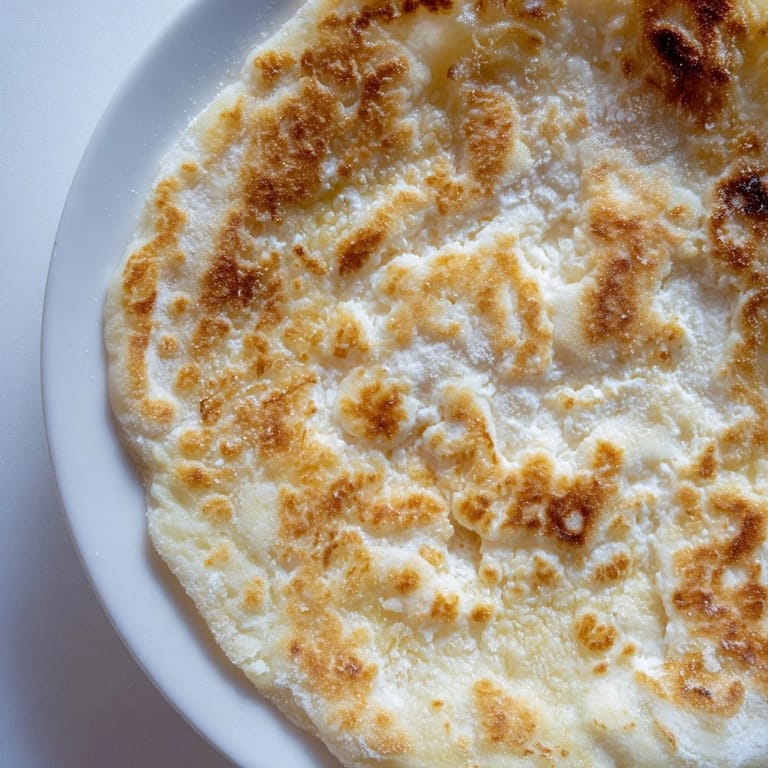
- Lay a flatbread in the pan and cook for 2–3 minutes until you see golden-brown spots appearing on the underside, then flip and cook the other side the same way. Watch for the edges to look slightly puffed and cooked through—that's your signal it's ready.
- Keep them warm as you go:
- Transfer each finished flatbread to a plate and cover loosely with a clean kitchen towel to trap steam and keep them soft. This step makes all the difference in texture.
 Save
Save One rainy afternoon, I made a batch and my niece ate three of them straight from the pan with just a smear of butter. She kept asking why bread from our kitchen tasted so much better than store-bought, and honestly, I think it's because it tastes like someone actually cared enough to make it. That's the thing about homemade flatbread—it's not fancy, but it feels intentional in a way that matters.
Flavor Variations That Work
Once you nail the basic recipe, you can play around with what goes into the dough without changing how it bakes. Fresh herbs like dill, parsley, or chives mixed in right after adding the yogurt bring a garden-fresh quality; minced garlic or a pinch of cumin adds warmth and depth. I've also pressed nigella seeds or sesame seeds gently into the dough balls before rolling for a nice texture contrast. The beauty is that these flatbreads are forgiving enough to experiment with.
What to Serve These With
These flatbreads are a support system for whatever you're hungry for—they're just as happy wrapped around spiced chicken and cucumber as they are dunked into hummus or topped with melted cheese and herbs. I love them warm and straight from the pan with just butter, but they're also excellent as the base for breakfast sandwiches with scrambled eggs and greens. They work especially well alongside soups or stews where that chewy texture catches all the good flavors.
Storage and Make-Ahead Tips
These keep beautifully in an airtight container for up to three days, and you can reheat them in a dry skillet over medium heat for about a minute per side until they're warm again. I've also found that they freeze well wrapped individually in parchment and then sealed in a bag; just thaw and reheat when you want them. The great part is that even though they take only 30 minutes total, you can make a double batch and have them ready for quick meals later.
- For maximum freshness, serve within a few hours of cooking if you can—the texture is best when they're still slightly warm.
- If flatbreads feel dry when reheating, brush very lightly with water before warming in the pan to restore softness.
- You can also wrap a batch in foil and warm in a 350°F oven for about 5 minutes if you're reheating more than a couple at once.
 Save
Save There's something quietly satisfying about making bread that's this simple and seeing it turn into something your family actually reaches for. These flatbreads remind me that the best kitchen moments aren't about complicated techniques—they're about understanding your ingredients and letting them do what they do best.
Cooking Questions
- → What makes these flatbreads tender?
The addition of cottage cheese and Greek yogurt introduces moisture and fat, producing a soft and tender texture.
- → Can I add herbs to the dough?
Yes, fresh herbs like parsley, chives, or dill can be mixed into the dough for extra flavor.
- → What is the best way to cook these flatbreads?
Pan-frying on medium heat with a bit of olive oil or melted butter ensures a golden, evenly cooked flatbread.
- → How do I prevent the dough from sticking?
Use extra flour for dusting when rolling out the dough and knead gently on a floured surface.
- → Can the flatbreads be stored and reheated?
Yes, store them in an airtight container and reheat in a dry pan to maintain freshness and texture.