 Save
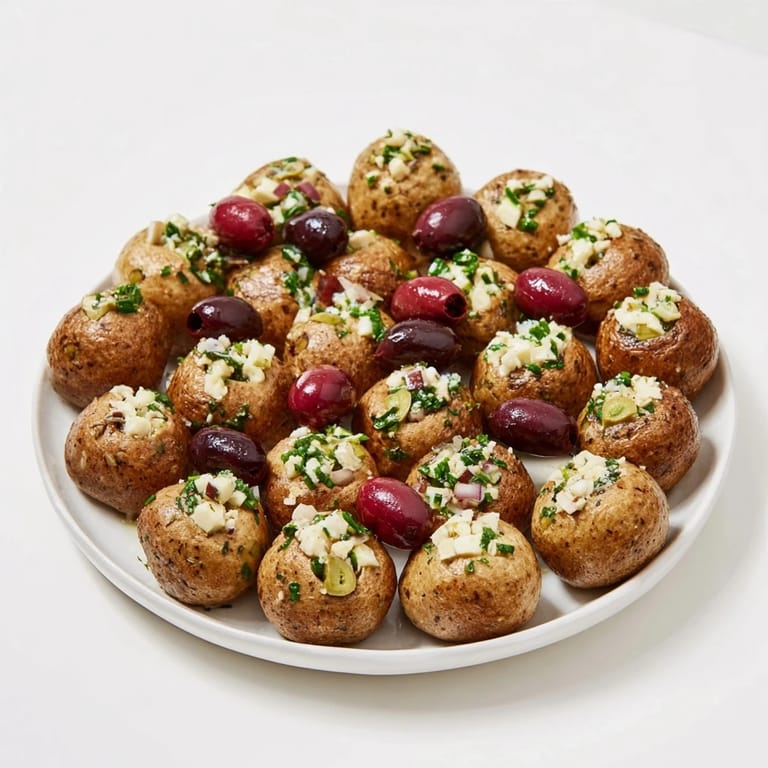
Save I discovered this idea while wandering through a marketplace in Lisbon, where a vendor had arranged her antipasto display in such a way that it looked like a tiny street paved with round cheeses and olives. The pattern stuck with me, and when I got home, I realized I could recreate that magic with crackers and olives on a simple board. Now whenever I need something that makes people smile before they even taste it, this is my go-to move.
I made this for a casual dinner party last summer when a friend texted asking if she could bring her new partner—something casual, she said. I panicked a little and assembled this board instead of cooking, worried it would seem lazy. Instead, it became the thing everyone talked about, and her partner spent the evening asking me questions about the olive varieties while everyone else debated which cracker worked best with which olive type.
Ingredients
- Round crackers (36–40): The foundation of your whole design—look for ones that are roughly the same size so they sit flat and overlap nicely; water crackers, multigrain, and rice crackers all work beautifully and give you different color options.
- Assorted olives (1 cup, pitted): Mix green Castelvetrano for their buttery mildness, Kalamata for earthiness, and black olives for visual depth; the variety in color and size is what makes this actually look like cobblestones rather than just a random arrangement.
- Fresh herbs (2 tbsp, chopped): Parsley, thyme, or rosemary scattered across the top adds a fresh herbal note and breaks up the visual monotony with flecks of green.
- Feta or goat cheese (1/4 cup, crumbled): This is optional but worth doing if you want richness and a contrast to the briny olives.
- Extra virgin olive oil (1 tbsp): A final drizzle brings shine and deepens all the flavors, making everything taste more intentional than it actually is.
Tired of Takeout? 🥡
Get 10 meals you can make faster than delivery arrives. Seriously.
One email. No spam. Unsubscribe anytime.
Instructions
- Pick your stage:
- Choose a large board or platter that feels substantial—you want room for the crackers to overlap without looking cramped. A wooden charcuterie board or even a large ceramic platter works perfectly.
- Build your base:
- Arrange the crackers in tight, overlapping rows as if you're laying actual stones, leaving small gaps between them for the olives to nestle in. Work in one direction first, then fill gaps with crackers turned at different angles for an organic, random feel.
- Fill the gaps:
- Tuck the olives snugly between the crackers, pressing them in so they stay put and create that mortar effect between stones. The olives should feel intentional and secure, not floating on top.
- Add the finishing touches:
- Sprinkle the chopped herbs and cheese crumbles across the surface in a light, scattered way. Don't overthink it—just enough to add flecks of color and promise.
- The final shine:
- Drizzle the olive oil lightly across everything, letting it pool slightly in some places and coat the crackers with a subtle sheen. Serve right away while the crackers are still crisp.
 Save
Save The first time I made this for a dinner party, I was worried it was too simple, too playful for grown-ups. But watching people approach it with genuine delight, discussing the arrangement like it was art before tasting anything, reminded me that food is about more than flavor—it's about creating a moment.
Why This Works as an Appetizer
There's something about a platter like this that sits perfectly in that awkward fifteen minutes before dinner when everyone's standing around hungry and uncertain. It looks thoughtful without demanding much of your guests—they can grab a cracker-and-olive combo, eat it in one bite, and come back for another without any cutlery or plates. The visual appeal does half the work of hospitality for you.
Building Your Cobblestone Pattern
The magic of this dish is that it doesn't need to be perfect to look intentional. In fact, a slightly irregular, organic arrangement looks more like real cobblestones than anything too symmetrical. The key is varying the size and color of both crackers and olives—if you use three different olive varieties and at least two different cracker types, the randomness becomes your strength.
Variations and Add-Ins
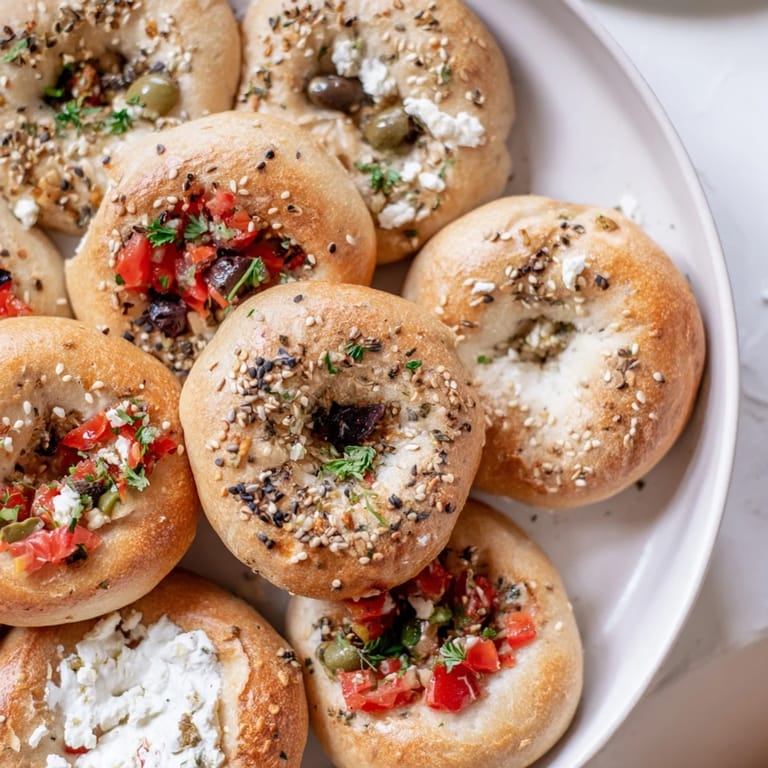
Once you have the basic structure down, this becomes a canvas for whatever's in your pantry. Roasted nuts add crunch, marinated artichokes bring tanginess, cherry tomatoes add a pop of bright acidity, and even some crispy roasted chickpeas work if you want something unexpected. The principle stays the same—you're just filling gaps with whatever sounds good, so don't be shy about experimenting.
- Roasted almonds or walnuts add depth and texture without competing with the star flavors.
- Marinated artichoke hearts or sun-dried tomatoes bring acidity that brightens everything else.
- A handful of crispy chickpeas creates an element of surprise that people always ask about.
 Save
Save This recipe taught me that sometimes the simplest dishes, the ones that require no cooking, are the ones that stay with people longest because they're about thoughtfulness rather than technique. It's become my favorite thing to make when I want to say I'm glad you're here without saying it out loud.
Cooking Questions
- → What types of crackers work best?
Round crackers like water crackers, multigrain, or rice crackers work well for the overlapping cobblestone look.
- → Can I use different olives?
Yes, a mix of green Castelvetrano, Kalamata, and black olives adds color and flavor contrast.
- → Are there suggestions to enhance texture?
Adding roasted nuts, marinated artichokes, or cherry tomatoes can introduce extra texture and color.
- → Is this suitable for vegetarians?
Yes, this platter is naturally vegetarian, especially when using cheese or herb garnishes.
- → How should I serve this platter?
Arrange on a large platter or charcuterie board and serve immediately for a fresh, interactive appetizer.
- → Can it be made allergy-friendly?
Use gluten-free crackers and omit cheese to accommodate gluten or dairy allergies.